Curly hair coach helping you better understand your naturally curly hair through easy-to-follow tutorials, science-based haircare tips, and problem-solving.
Popular Curl Advice That's Actually Causing Your Frizz ❌ What to do instead ✅
|
If your curls are still frizzy and not lasting even though you’ve been doing everything you were told, the advice might be the problem. These are five pieces of popular curl advice that could be working against your hold — and by extension, your frizz, your definition, and how long your style lasts. This advice isn’t necessarily wrong. But nobody explains what it costs. Once you understand that, you have control. The Moisture-Hold Balance: Why Hold Controls EverythingHold is what controls your frizz, your curl definition, and how long your style lasts. When hold breaks down, you get frizz, curl collapse, or both. Most curly hair products contain conditioning ingredients — and yes, your hair needs conditioning. But conditioning agents leave residue behind even after rinsing. Too much softness reduces hold. Every one of the five things below adds softness or conditioning that your hold has to work against. This is The Moisture-Hold Balance Framework — the foundation of everything I teach.
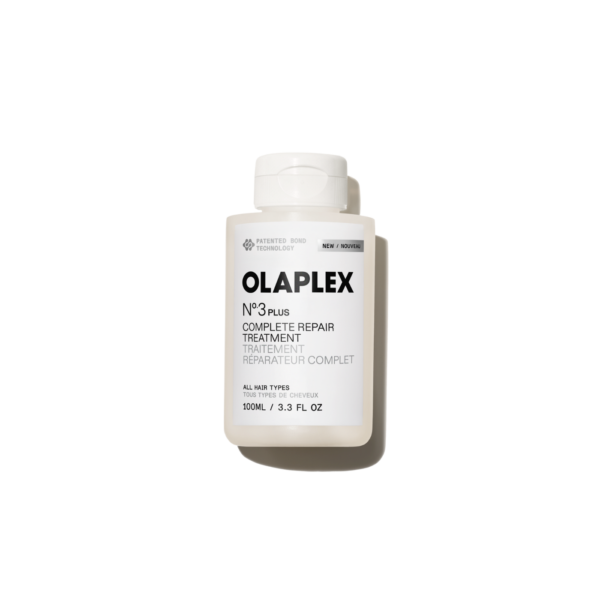
❌ Deep Conditioning Weekly
|

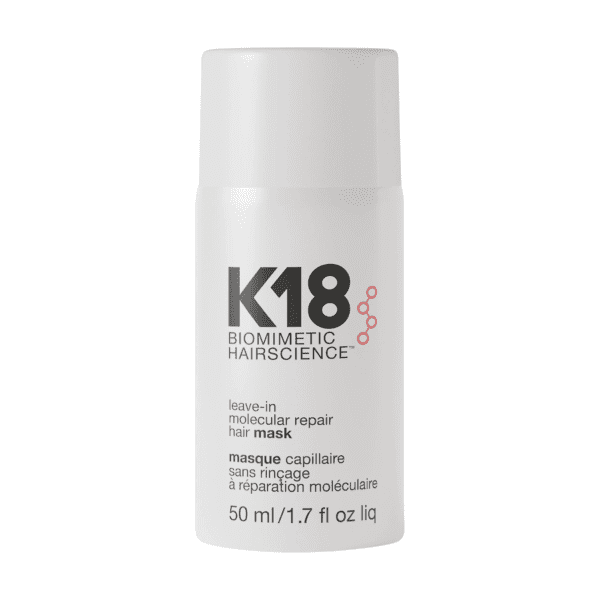 |
K18 Leave-In Molecular Repair Hair Mask
 |
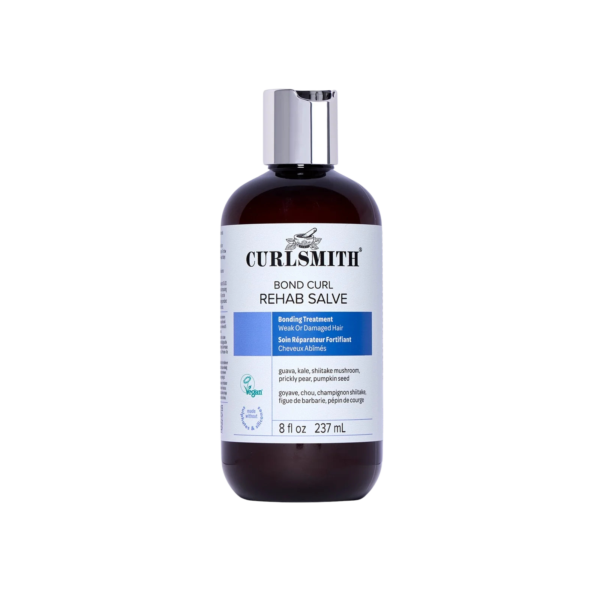 |
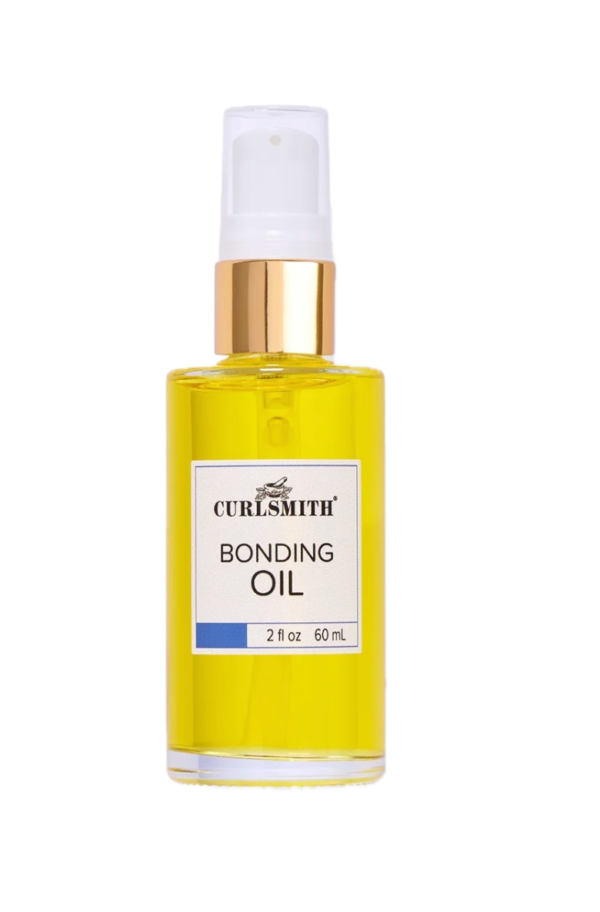
Curlsmith Bond Curl Rehab Salve
❌ Layering Multiple Styling Products
✅ Use a Prep Product with Adequate Moisture and a Gel with Hold
More products does not equal better results. If you’re styling with three to five products and still getting frizz, this is likely why. Brands recommend a full product lineup — leave-in, curl cream, foam, mousse, gel, oil — probably to sell more product. But every product layered underneath your gel adds conditioning that softens its grip.
Conditioning agents and water both reduce hold. So by the time your gel goes on, it can’t fully grip the hair. This is the most common pattern I see with clients who aren’t getting a gel cast — as soon as we strip back to just a gel, they get significantly more hold.
The fix: one prep product plus a strong hold gel — two products maximum. Some hair types don’t need a prep product at all if the gel already has enough conditioning built in.
Here’s what that could look like in practice:
Option 1: Moisturizing Gel as a One-and-Done
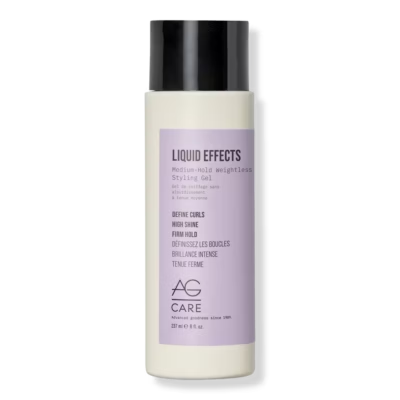 |
AG Liquid Effects Medium Hold Weightless Styling Gel
 |
Ouidad Advanced Climate Control Heat & Humidity Stronger Hold Gel
Both of these have conditioning properties and hold built in — no prep product needed underneath for the right hair type.
Option 2: Heat Protectant + Gel
- Curlsmith Miracle Shield + Ouidad Advanced Climate Control Gel
- Living Proof Leave-In Conditioning Spray + Ouidad Advanced Climate Control Gel
- Curlsmith Miracle Shield + AG Liquid Effects Gel
- Living Proof Leave-In Conditioning Spray + AG Liquid Effects Gel
 |
Curlsmith Miracle Shield Heat Protection Spray
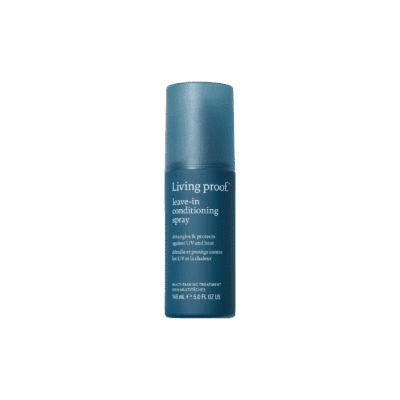 |
Living Proof Leave-In Conditioning Spray
Option 3: Gel with Built-in Heat Protection
- Joico Joigel on its own — works well for softer finish hair that doesn’t need much moisture; heat protection is already built in, so no additional prep product is needed
The goal is to look at what your hair actually needs based on its symptoms and choose a combination that provides adequate conditioning without overloading your gel’s ability to hold.
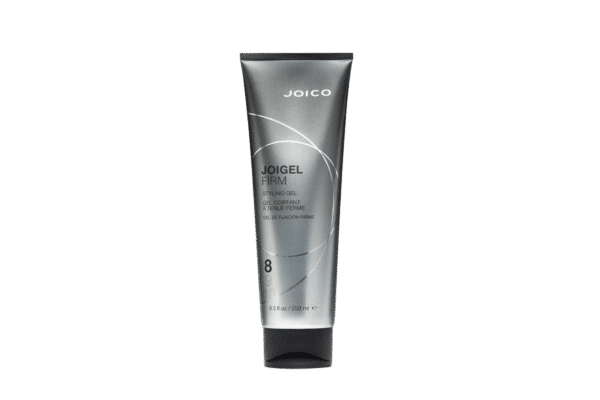 |
Joico Joigel Firm Styling Gel
❌ Styling on Soaking Wet Hair
✅ Evenly Wet — Not Dripping
More water does help curls clump and form — that part of the advice is real. But water dilutes your gel at the point of application. The more water in your hair, the less hold your gel delivers. If your hair never fully dries, feels heavy all day, or you can never get a cast — this is likely why.
For low-density hair specifically: soaking wet styling can leave you with just a few large clumps and hair that looks thin and sparse.
The fix: evenly wet, not soaking wet. Wrap hair in a Hair Repear Towel first to absorb excess water at the roots, then rewet with a Bouclème Water Mister spray bottle for control. You should hear the squish when scrunching — water shouldn’t be dripping.
For those who want clumping benefits without sacrificing hold: microplop after styling to remove excess water, then add a light extra coat of gel before diffusing.
 |
Hair RePear Premium Cotton Hair Towel, Not Dyed
 |
Bouclème Flairosol Mist Spray Bottle
❌ Using a Finishing Oil After Styling
✅ Dry Hands to Break Cast; Hairspray for Humidity
Two common pieces of advice: use oil to scrunch out your cast, and use oil or serum to humidity-proof your hair. Both work against your hold in most cases.
Oil softens already-held hair and breaks down gel hold. That same barrier causes problems on refresh days — water and gel can’t re-clump hair that has an oil layer repelling them. And to actually humidity-proof your hair with oil, you’d need to fully coat every strand. Partial coverage just softens the hair, which then puffs up in humidity anyway.
One exception: if your gel gave an extremely strong cast that you’re genuinely struggling to break with your hands alone, a small amount of oil can help. But in most cases, dry hands and friction are enough — and won’t cost you your hold.
The Fix: To break your cast use dry, bare hands. Friction breaks the cast — no product needed. Make sure hands are fully dry before scrunching so hair doesn’t stick and create frizz.
For humidity resistance: a light mist of hairspray adds hold and texture and actually helps repel humidity.
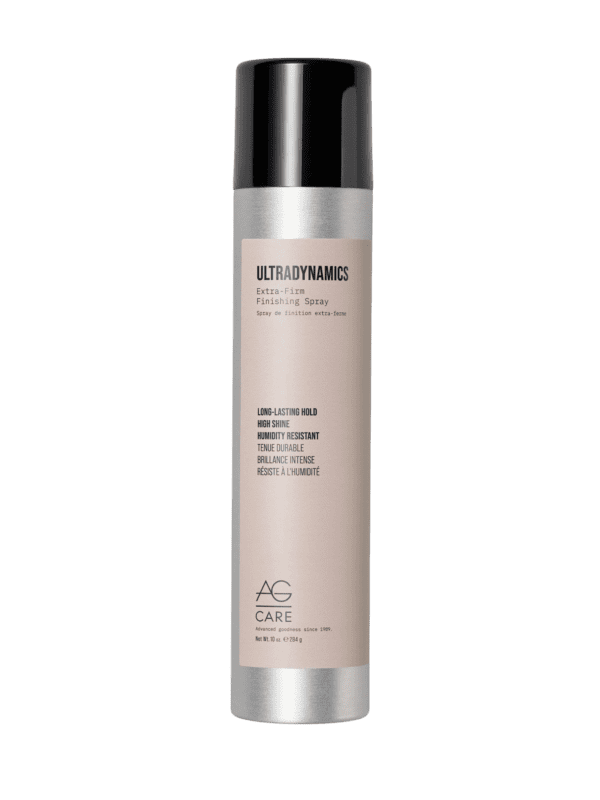 |
AG ULTRADYNAMICS Extra-Firm Finishing Spray
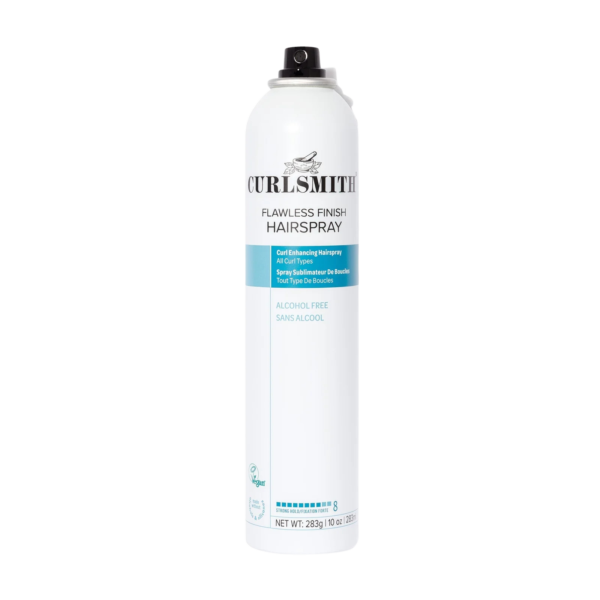 |
Curlsmith Flawless Finish Hairspray – Strong Hold
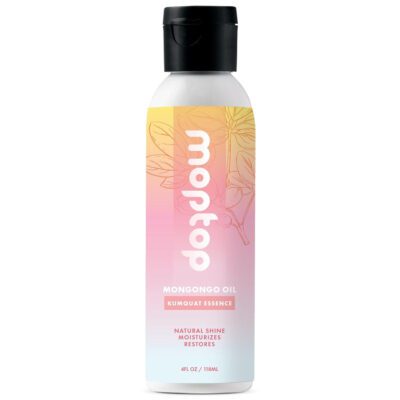
Oils do belong in your routine — just at a different step. Applied to dry hair before shampooing, a lightweight oil helps protect the hair during the shampoo process by reducing cuticle swelling.
 |
 |
✅ Refreshing with Conditioner
❌ Use only Water First
If your curls get significantly frizzy when you refresh, this is likely why.
The advice — use conditioner to refresh because curly hair is dry — starts with a misdiagnosis. When hair looks dull and frizzy the next day, it’s almost always hold breakdown, not dryness. Curly hair naturally looks a little duller and frizzier the next day. That’s normal.
How to tell the difference: feel your hair. Soft but frizzy = hold breakdown. Brittle, inflexible, feels like it could break = actual dryness.
When you refresh with conditioner, what you’re actually seeing is the water content in the conditioner temporarily reactivating your curls. It feels soft and looks revived in the moment — but if it dries down frizzy, the conditioner isn’t helping. It’s softening the hold that’s left in your hair and making the frizz worse. Standard rinse-out conditioners are also not designed to be left on the hair.
The fix:
- Water first. Wet your hands and glaze water over your hair. If you had enough hold on wash day, the cast will likely come back on its own.
- If frizz remains: mix a small amount of your existing gel with water in your palms and refresh with that. Don’t mix in a different gel.
- If hair is genuinely dry: use a leave-in conditioner or a heat protectant with conditioning properties — something designed to be left on the hair. Dilute with water in your palms first. Follow with a light coat of gel if the cast doesn’t return.
Need more help with refreshing? Download the free Minimal Refresh Method Flowchart — a step-by-step guide based on your hair’s symptoms.
The Moisture-Hold Balance: Putting It All Together
These five things feel unrelated on the surface — but they’re all expressions of the same principle: every softening or conditioning product reduces the overall hold in your hair, which leads to frizz.
Curly hair needs conditioning — just an adequate level for your hair type so it doesn’t throw off your hold balance. This advice isn’t necessarily wrong. Nobody explains what it costs or how these things interact. Once you understand it, you have control — more control over your hair than you probably think.
For a full breakdown of how to build a balanced routine — choosing a shampoo, conditioner, prep product, and gel based on your hair’s actual needs — read The Moisture-Hold Balance Framework post.
Ready to Stop Guessing?
If you want personalized help applying this to your specific hair, this is exactly what I work through with clients inside my Curl Coaching Program. We identify what’s off in your routine and build something that actually lasts.
Click here to read more about it, and you can register early if you’re ready to lock in your spot. Send me an email to discuss if it’s a fit!
 |
Gena Marie
Curly hair coach helping you better understand your naturally curly hair through easy-to-follow tutorials, science-based haircare tips, and problem-solving.
If diffusing always gives you frizz or wonky curls, or you’ve decided it isn’t worth your time, it’s not diffusing itself. It’s that no one has taught you how to do it properly. You have more control over your curls than you think, and diffusing is one of the best ways to get it. This guide walks through the six steps, and where most people go wrong in each one. It’s part of my Beginner Curl Series, where I teach the foundations you need for longer-lasting curls. Click to watch ❗️Doors close...
Do you really need different products for your exact hair type? That question came up over and over in today’s live Q&A, and the answer surprised a lot of people. I answered your pre-submitted curl questions in real time, covering how gels actually differ, what to do when your hair has mixed textures, why a crispy gel cast isn’t damaging your hair, and more. Watch the replay below. Livestream Replay Below is a recap of everything we covered, plus the products I recommended during the stream....
You put all that work into wash day, only for your curls to frizz and fall out by the next day. Then you’re stuck restyling or doing a major refresh, spending way more time on your hair than you should. You have far more control over this than you think. You just need the right process. In my Curl Coaching Program, this is exactly what I run through with my clients to get longer lasting results, before we ever buy a new product. Fall Curl Coaching Begins on Tuesday Sept 1. Enroll before doors...