Curly hair coach helping you better understand your naturally curly hair through easy-to-follow tutorials, science-based haircare tips, and problem-solving.
5 Mistakes When Buying Curly Hair Products (& How to Shop Smarter)
|
If you have a curly hair product graveyard, it’s probably not your hair. It’s the way products are marketed to you. Most people were never taught how to evaluate curl products before they started buying them. So they rely on labels like “lightweight,” “strong hold,” or “anti-frizz” — and that’s how the graveyard happens. As a curl coach, I see this across hundreds of routines. The same mismatches show up again and again — and once you recognize them, product choices get much more consistent. ❌ Mistake 1: You’ve been conditioned to want the wrong thingBrands sell you what you think you need — not what you actually need. And they don’t educate you on the difference. Instead they fearmonger. They take the misconceptions that are already out there — the things the internet told you to believe — and they sell them right back to you. The result: you’re not making choices based on what actually works for your hair. You’re making choices based on what you’ve been told to fear. For example:
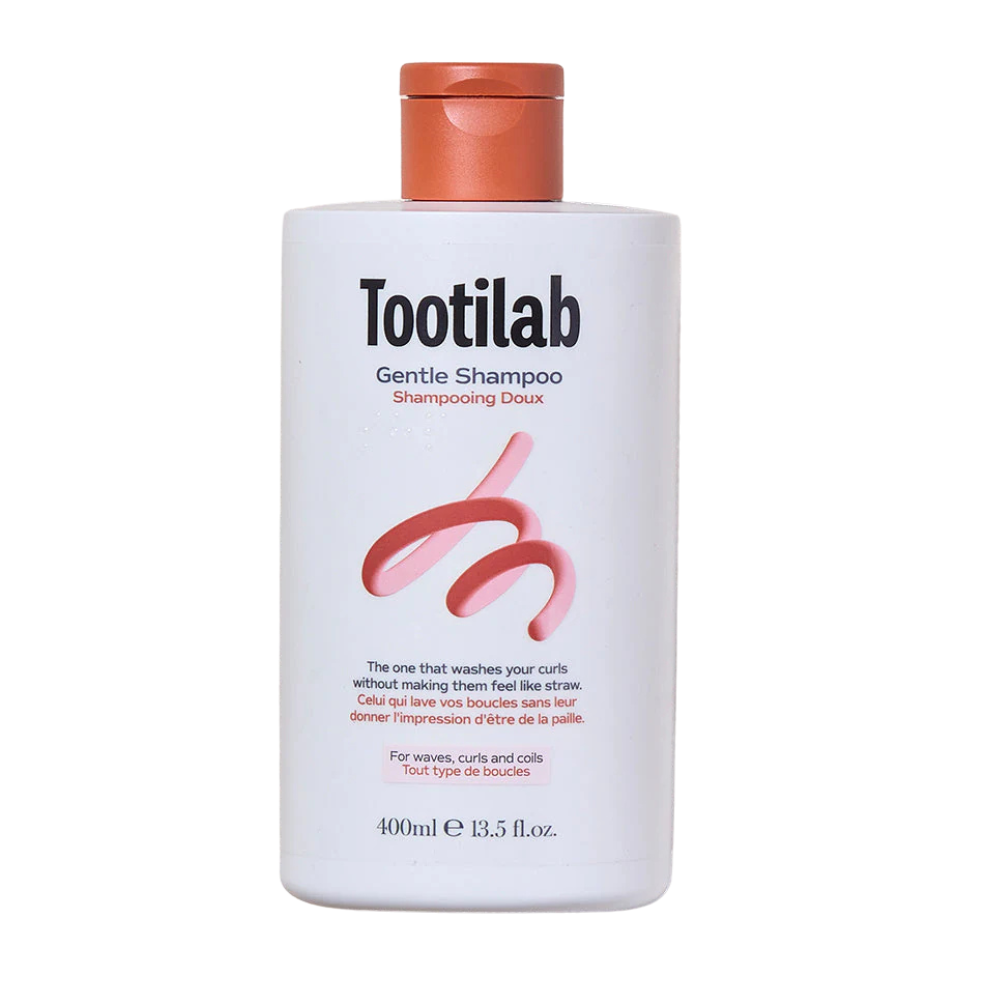
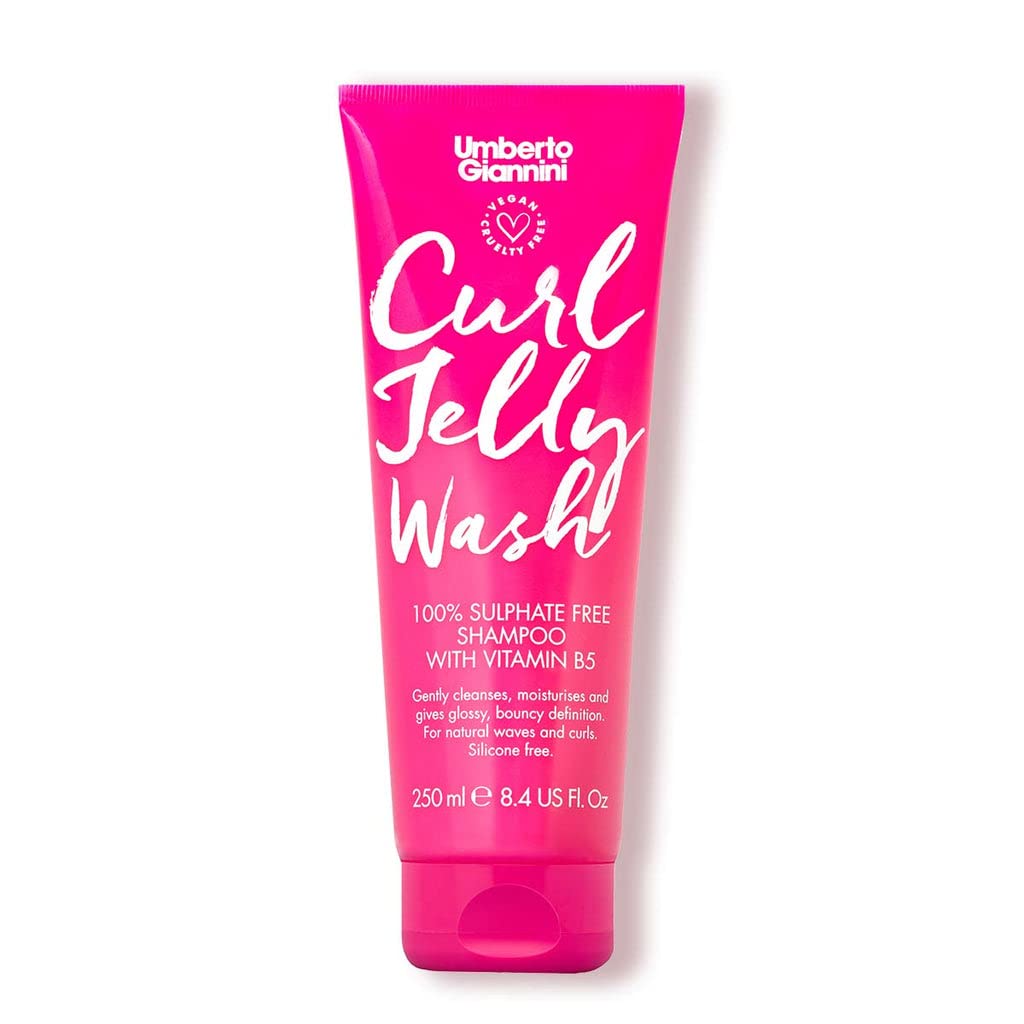
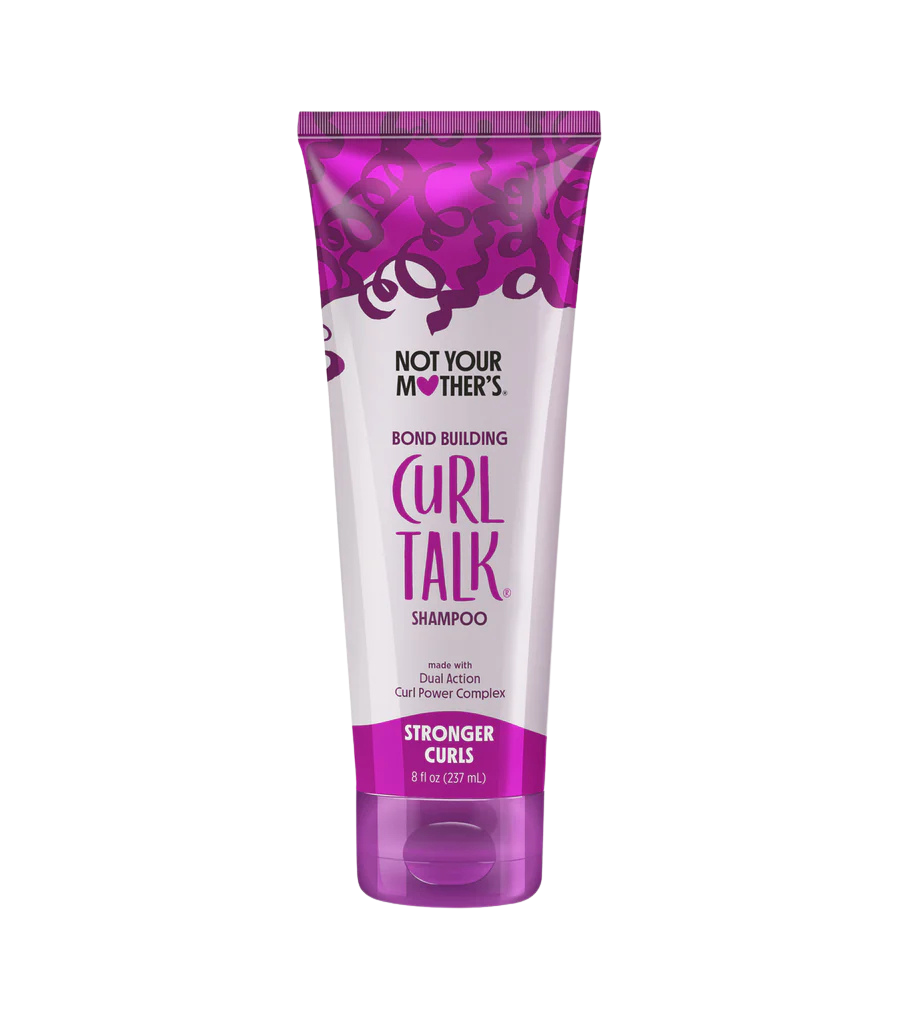
✅ What to do instead: Pay attention to long-term performance, not the temporary experience of how a product feels during or right after application. This is where most of my coaching clients start — unlearning before we can build anything new. If you’re not sure where to start, here are a few shampoos that actually clean without stripping:
Umberto Giannini Curl Jelly Shampoo
Not Your Mother’s Curl Talk Bond Building Shampoo ❌ Mistake 2: You’re buying product variety that isn’t actually varietyThere’s no reason a single brand needs five curl creams unless there’s a genuine functional difference between them. What you’ll usually find is that the differences are cosmetic — a different extract, a different name, a new collection that’s really just repackaging. This creates the illusion of choice without the function to back it up. For example:
✅ What to do instead: Shop by product function, not by line or launch. Most routines only need one product per role. If you want to understand exactly how to build a balanced routine without unnecessary overlap, read my Moisture-Hold Balance Framework post. That post walks through what each product category is actually doing and how to know when you have enough.
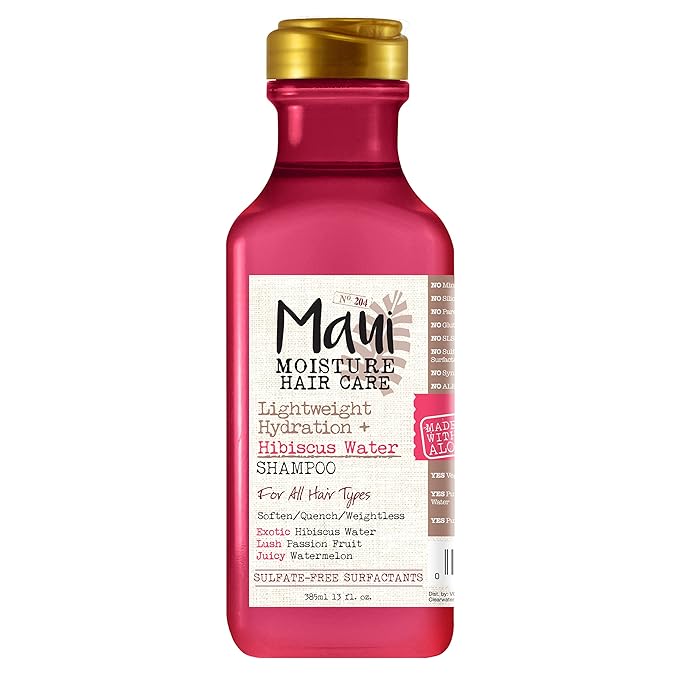
Here is an example of what choosing one product per step actually looks like:
Maui Moisture Lightweight Hydration + Hibiscus Water Shampoo
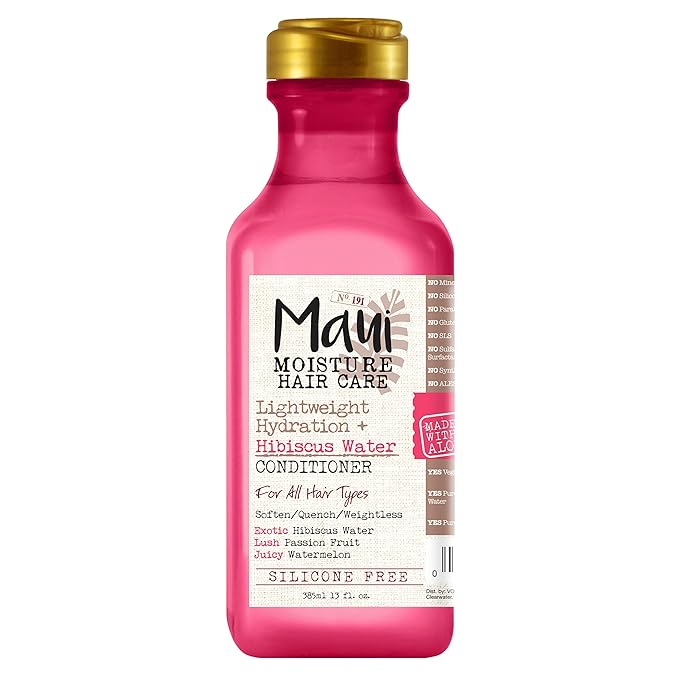
Maui Moisture Lightweight Hydration + Hibiscus Water Conditioner
Not Your Mother’s Curl Talk Leave-In Conditioner
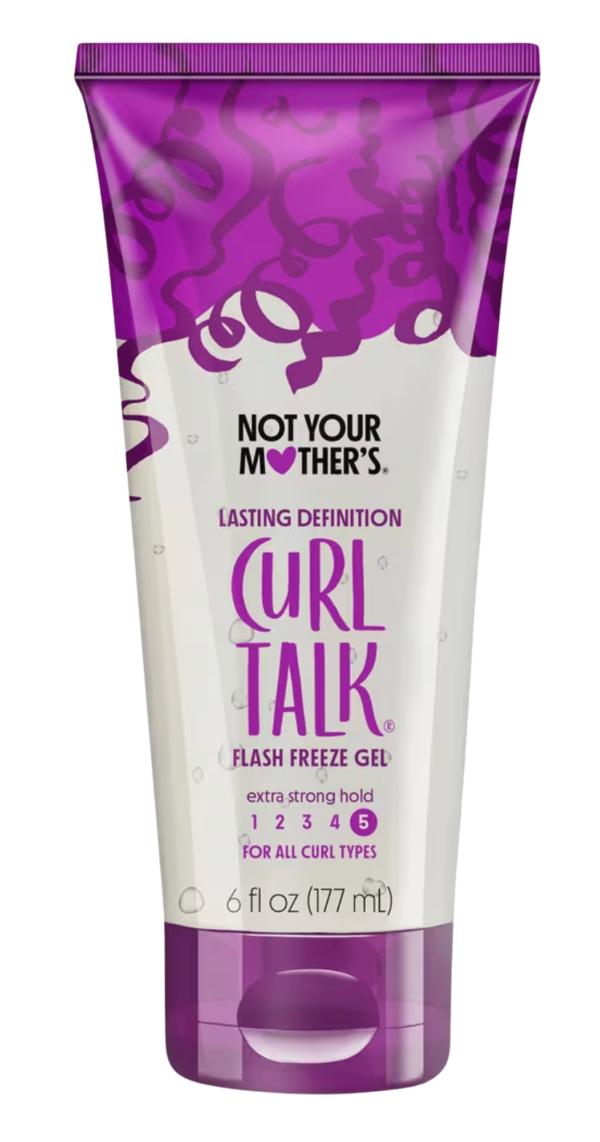
Not Your Mother’s Curl Talk Flash Freeze Gel ❌ Mistake 3: You’re treating label language as a universal standardWords like “strong hold” or “lightweight” don’t have standard definitions. Every brand sets its own scale — and they’re comparing within their own lineup, not across the entire market. For example: Strong hold:
Lightweight:
✅ What to do instead: Interpret labels comparatively, not literally. This is exactly why I built my shop page — it’s a comparison system across brands using the same criteria, not a recommendation list based on what a brand calls their product. Click the products below, then click the “additional details” tab to see my assessment of the weight and hold levels.
Bounce Curl Thermal Guard Weightless Leave-In
Living Proof Leave-In Conditioning Spray
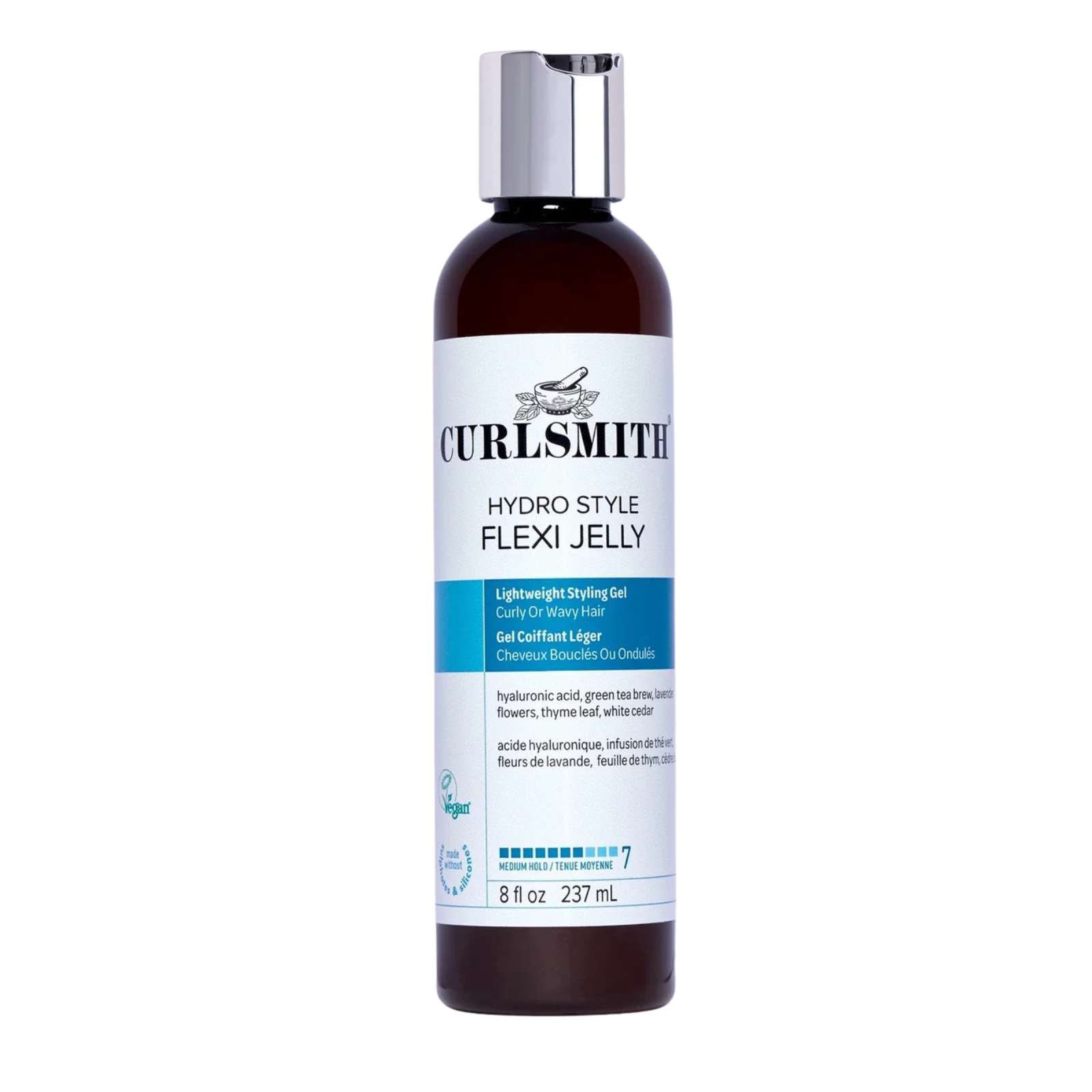
Curlsmith Hydro Style Flexi-Jelly
Not Your Mother’s Curl Talk Flash Freeze Gel ❌ Mistake 4: You’re Buying the Marketing Ingredient, Not the FormulaBrands highlight trendy, buzzworthy ingredients on packaging because they sell — not because they’re doing the most work in the formula. That avocado extract or rosemary oil on the front label? If it’s near the bottom of the ingredient list, it’s present in a very small concentration. The ingredients actually determining how your hair performs are rarely featured on the front. A related version of this mistake: expecting a product to do something its category isn’t designed to do. For example:
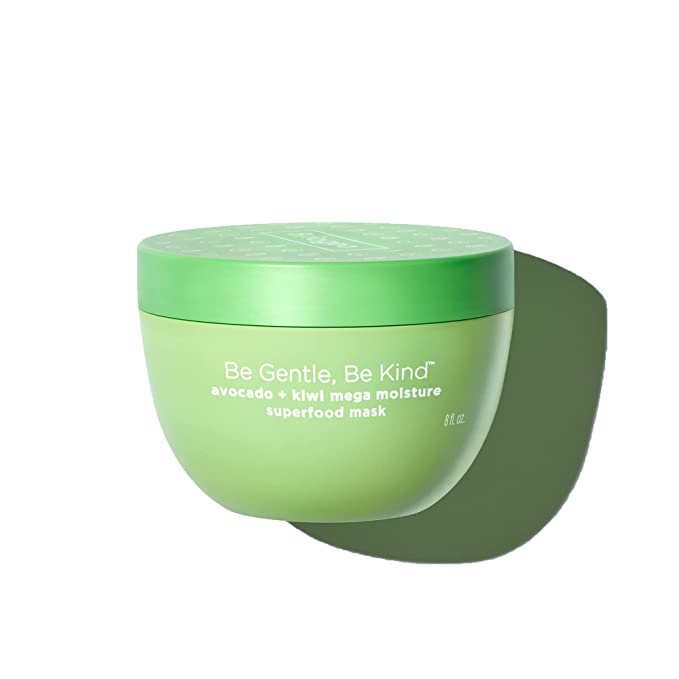
Briogeo Be Gentle, Be Kind Avocado + Kiwi Mega Moisture Superfood Mask
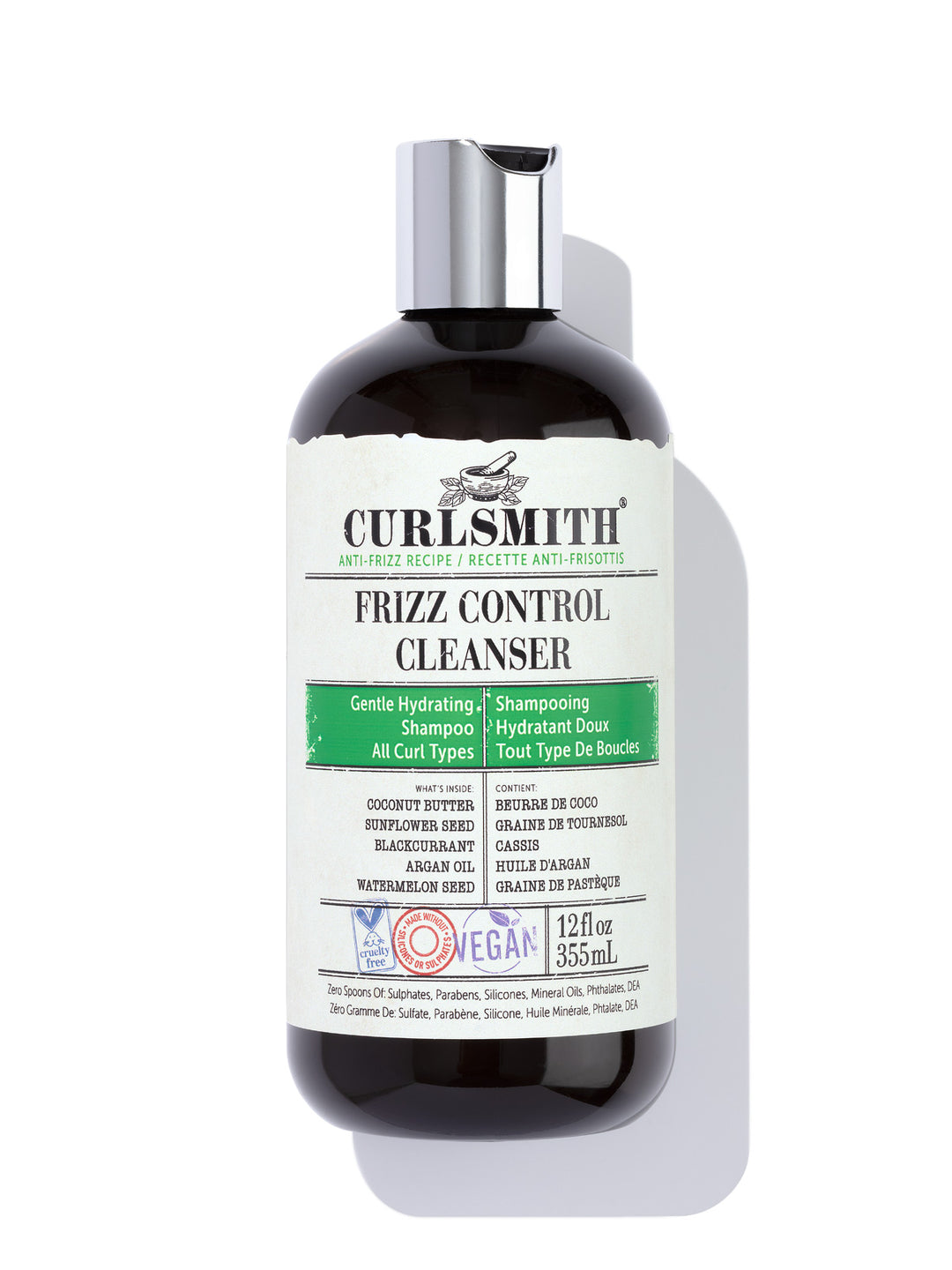
Curlsmith Anti-Frizz Frizz Control Shampoo Ouidad Advanced Climate Control Frizz-Fighting Hydrating Mask ✅ What to do instead: Read the first five ingredients before you read the front of the bottle. Buy based on what a product is built to do, not what’s on trend. How to Properly Assess Hair Product Labels:
Brands that lead with function: Tootilab and Living Proof are the two brands I consistently point to for communicating what their products actually do rather than what ingredient is on trend. ❌ Mistake 5: You’re expecting results that were never tested for real-world hairAll of that campaign imagery — the model demos, the before and afters — that’s ideal conditions. Controlled environment, professional application, models with really great hair. A lot of those “after” photos? You can tell a curling iron was involved. What’s rarely represented in brand testing: humidity, fine hair, low-density patterns, wavy hair, damaged or recovering hair, multi-day styling with refreshing and buildup, day-two and day-three performance. Real testing is expensive, and I understand brands feel pressure to get products to market. But the diversity of testing conditions rarely matches the diversity of the people buying those products. Brands doing this well:
The through line: these are brands started by actual curly-haired people. They are the consumer. Bigger brands have more budget for significant testing — but that testing often isn’t always representative of real life. ✅ What to do instead: Shop by function, not by the promise on the front label. Think about your actual conditions — your climate, your hair’s density, how forgiving or unforgiving your hair is to product weight. The more you understand your hair’s specific needs, the less you’ll be swayed by imagery that was never tested on hair like yours. This isn’t about your hair being difficult. It’s about knowing what questions to ask before you buy. How to Start Shopping SmarterHere’s the shift that changes everything: stop relying on labels and start reading function. ✅ Read the first five ingredients, not the front of the bottle Once you recognize these patterns, it gets much easier to predict what a product will actually do before you buy it. Ready to Stop Guessing?I built my shop page specifically for this — every product is categorized by function, not marketing claims. I’ve also been adding new filters like UV and heat protection to make it easier to find exactly what you need. If you want to learn how to evaluate products independently so you never have to rely on a label again, that’s exactly what I teach inside my Curl Coaching Program. My clients learn to troubleshoot their own routines and make better choices with the products they already have. Because the goal isn’t to find the perfect product. It’s to understand how your hair responds — so your choices start working with your routine instead of against it. I’m allowing a few select people reserve their spot early for the upcoming Summer program who are ready to commit. Apply here.
|





Gena Marie
Curly hair coach helping you better understand your naturally curly hair through easy-to-follow tutorials, science-based haircare tips, and problem-solving.
You read the reviews online. One person says a product completely changed their hair. Someone else says it’s the worst thing they’ve ever tried. And you’re left with no idea whether it will actually work for your hair. That disconnect is not a coincidence — and it’s not your fault. It’s a combination of misleading marketing, mismatched expectations, and the simple fact that products work very differently depending on your hair type, your needs, and what you’re pairing them with. As a Curl...
Amazon’s Prime Day Deals are happening today through Friday! I’ve rounded up my top curly hair picks on my Amazon storefront—plus shared quick notes below on each product’s key characteristics to help you decide what’s worth grabbing. I also went live on YouTube to break down these deals, explain how to choose for your hair type, and even picked out products for many of you! 🎥 Watch the replay here: Please note: Prices and deal amounts are subject to change and may vary based on your...
If your curls are frizzing, falling flat, and costing you way too much time every single week this summer, the problem is not that it’s summer. The problem is your foundation. Summer does not require a completely different routine. What it does is make a weak routine impossible to ignore. The humidity, the sweat, the chlorine — all of it just exposes what was already not working. This is the routine I use year-round, with a few small summer-specific adjustments built in at each step. When you...