Curly hair coach helping you better understand your naturally curly hair through easy-to-follow tutorials, science-based haircare tips, and problem-solving.
Contradictory Curly Hair Advice (And What Actually Works)
|
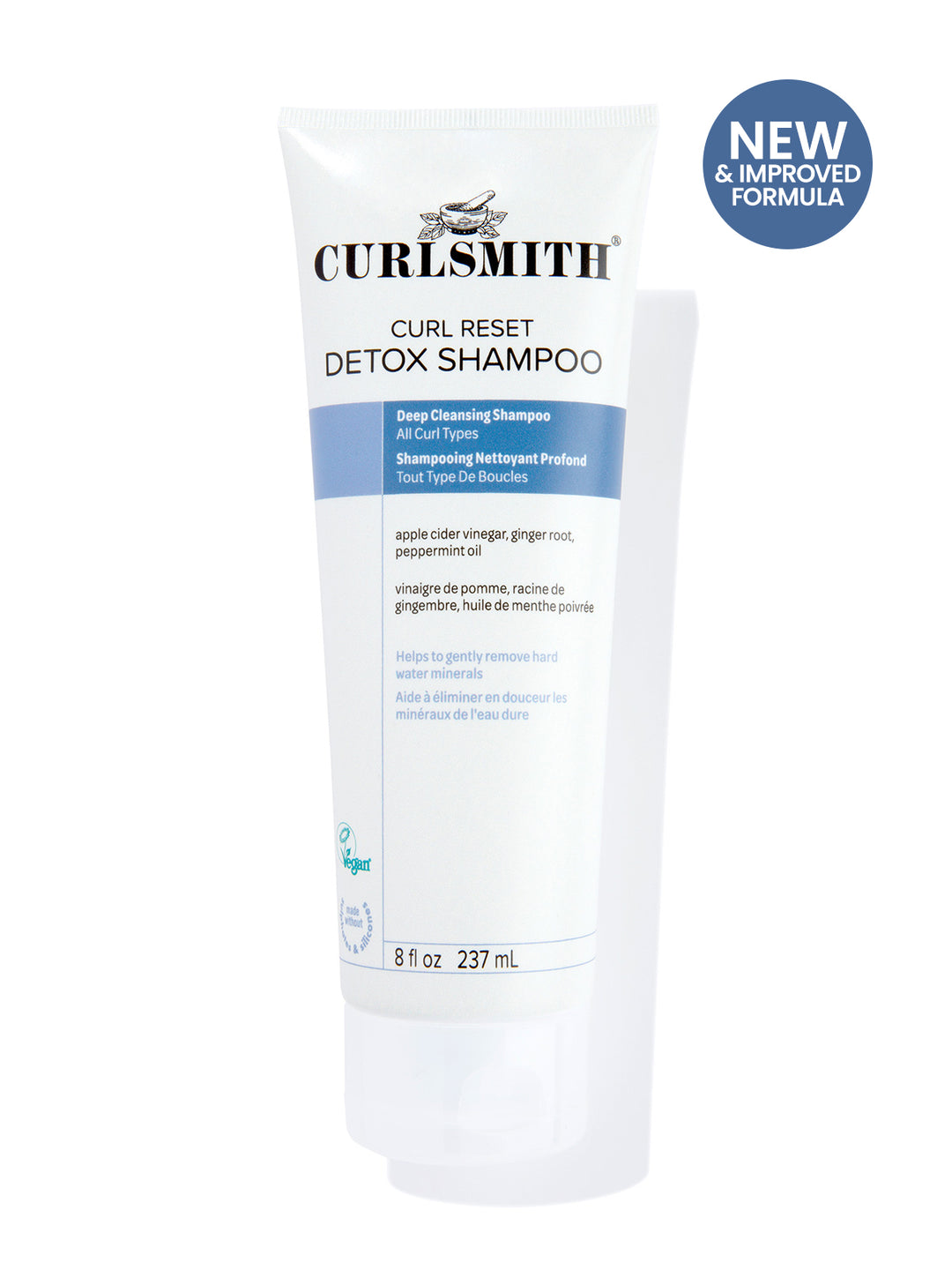
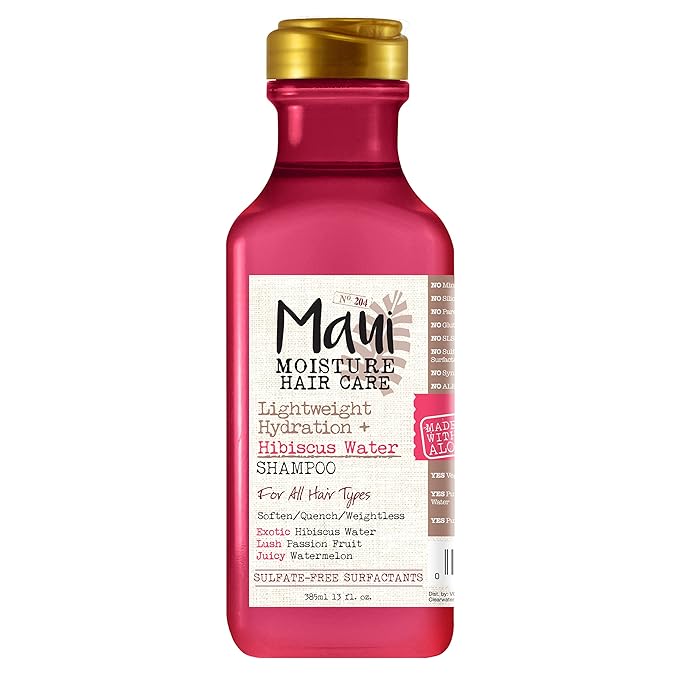
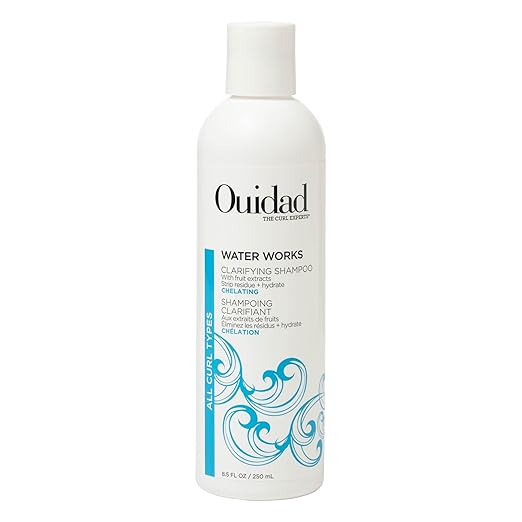
Curly hair advice is full of contradictions — and no one explains how they’re supposed to work together. If you’ve ever tried to research curly hair care and ended up more confused than when you started, you’re not alone. Most people aren’t failing at curly hair. They’re trying to follow advice that directly conflicts, without any explanation of the tradeoffs. As a Curl Coach, this is exactly what I see with my clients. People come in feeling defeated, convinced their hair is the problem, when in reality they’ve been doing their best to follow rules that were never meant to coexist. In this post, I’m breaking down some of the most common contradictory messages people hear about curly hair — and explaining how I think about them instead. Why Curly Hair Advice Feels So ContradictoryA lot of modern curly hair advice comes from the Curly Girl Method. It was an important starting point for curly hair care and helped many people stop damaging their hair with heat and harsh routines. The issue isn’t that the Curly Girl Method is bad. The issue is that it doesn’t explain how its rules interact — especially when it comes to longevity. Many of the clients I work with followed these guidelines closely. Their hair often looked okay at first, but over time it stopped lasting. Wash days became longer, dry times increased, and routines started to feel exhausting. When that happens, people usually assume they’re doing something wrong, instead of realizing the advice itself is working against them. Washing Frequency and the Fear of Shampoo“Don’t wash your hair too often — shampoo will strip your curls.” “Scalp health matters, and buildup will ruin your curls.” These two messages are often taught at the same time, but they directly conflict. Because of the fear around shampoo, many people push their wash days longer and longer. By the time clients come to me, their hair is often dealing with buildup that leads to dryness, tangling, and inconsistent curl results. What’s usually missing from the conversation is context. Shampoo is not the final step. Hair is conditioned immediately afterward. Clean, squeaky hair before conditioning is not damage — especially when it’s followed by appropriate conditioning. Modern shampoos are also not nearly as stripping as people have been led to believe. Clean hair allows conditioners and stylers to work the way they’re supposed to. When buildup is removed, curls tend to behave more predictably, hold improves, and troubleshooting becomes easier. This is one of the first contradictions I help clients work through, because once shampoo fear is removed, everything else becomes easier to assess. I recommend choosing a shampoo that has a good lather and leaves your hair feeling clean, not soft and conditioned. It doesn’t have to contain sulfates, but it should still be on the stronger side.
Curlsmith Curl Reset Detox Shampoo
Maui Moisture Lightweight Hydration + Hibiscus Water Shampoo
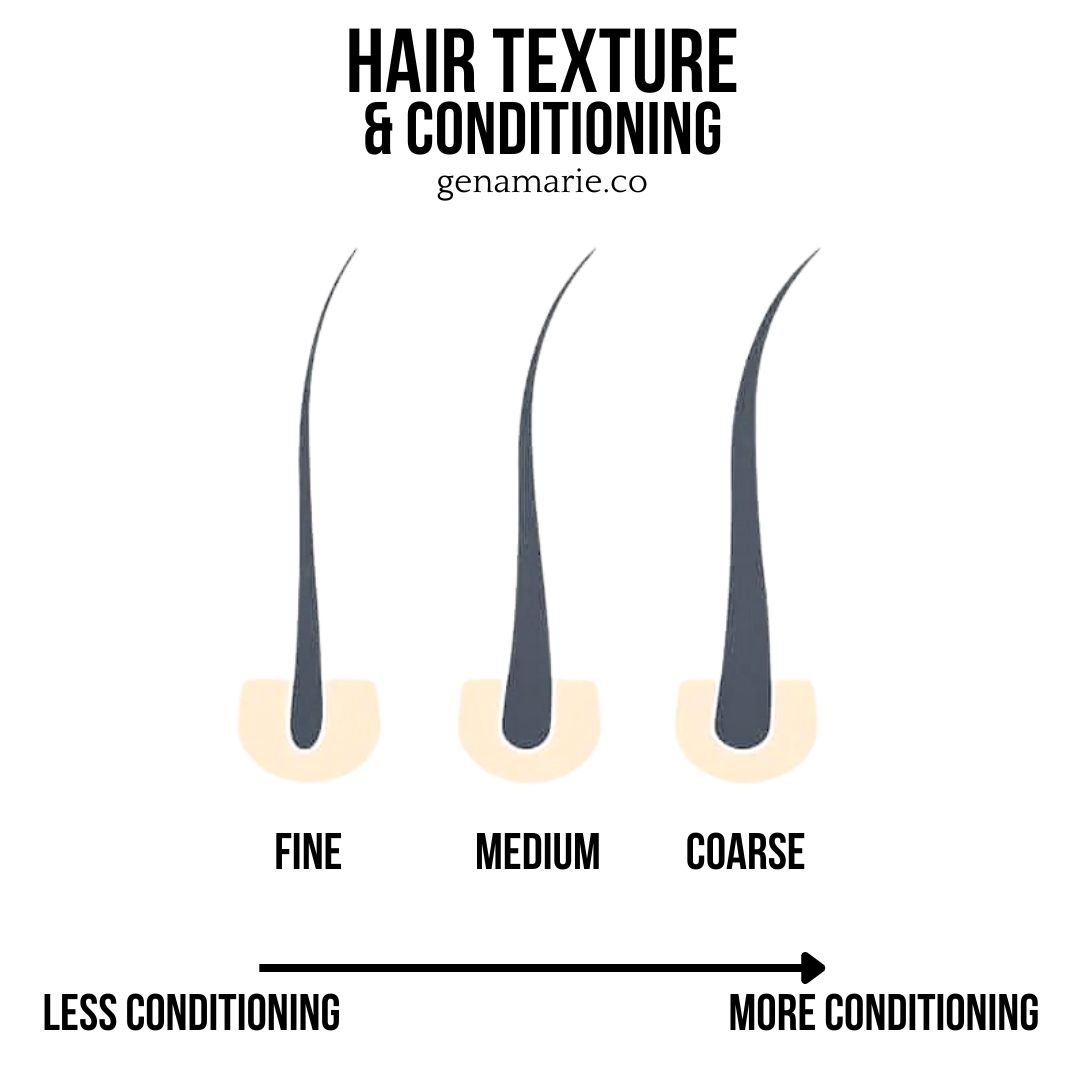
Ouidad Water Works Clarifying Shampoo Moisture, Over-Conditioning, and Why Curls Don’t Last“Curly hair is dry — add more moisture.” “Your hair is over-conditioned and weighed down.” Curly hair is often described as dry, so moisture is encouraged at every step of a routine. Over time, this can lead to over-conditioning, especially for looser curls and finer hair.
This is something I see constantly with clients who say their hair looks good at first but doesn’t last. Conditioning doesn’t just affect softness. It also affects structure and hold. When hair is overly conditioned, dry time increases, curls lose definition faster, and longevity suffers. People then try to push wash days longer to compensate, which only adds more buildup and frustration. This is where many curl routines start to fall apart. The advice to avoid washing too often and the advice to add more moisture end up working against each other. Hair doesn’t last, routines feel exhausting, and eventually people give up on wearing their hair curly. What’s missing from most conversations is the connection between moisture and hold. These two things are linked. When that relationship isn’t understood, results will always feel inconsistent. I created my Strong Hold Method, which focuses on balancing moisture and hold for maximum longevity. This means only having to style your curls a couple of times a week when you wash, and minor touch-ups in between if needed.
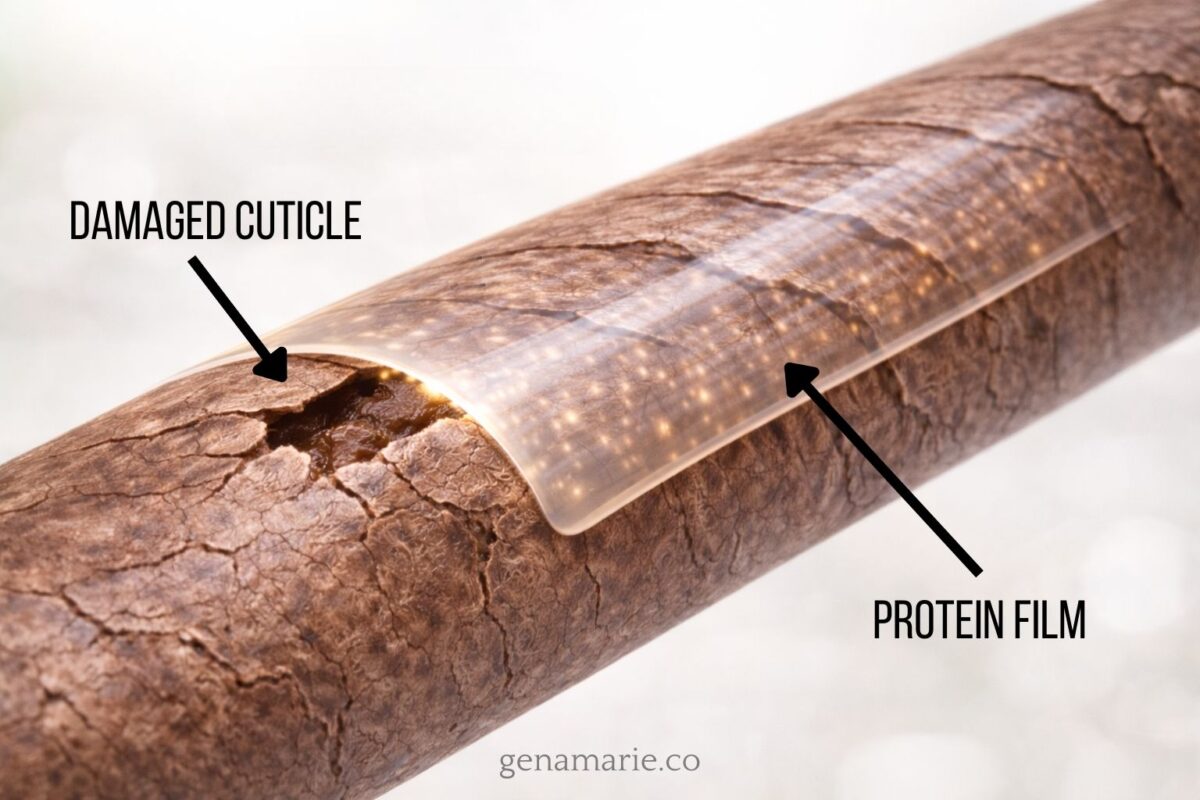
Protein vs. Moisture and the Panic Around “Balance”“You need to balance protein and moisture.” “Too much protein will dry out or damage your hair.” Many people assume that if their curls don’t look the way they want, they must have a protein or moisture imbalance. By the time someone joins my Curl Coaching Program, they’ve usually already tried both sides of this advice — often without ever experiencing actual symptoms. True protein overload in terms of causing real damage to the hair is rare. Protein ingredients don’t repair the hair, but they do form a temporary film that coats the hair strand and helps reinforce areas where the cuticle is damaged. This is why protein can make curls look stronger and more structured — but also why buildup can make hair feel stiff over time.
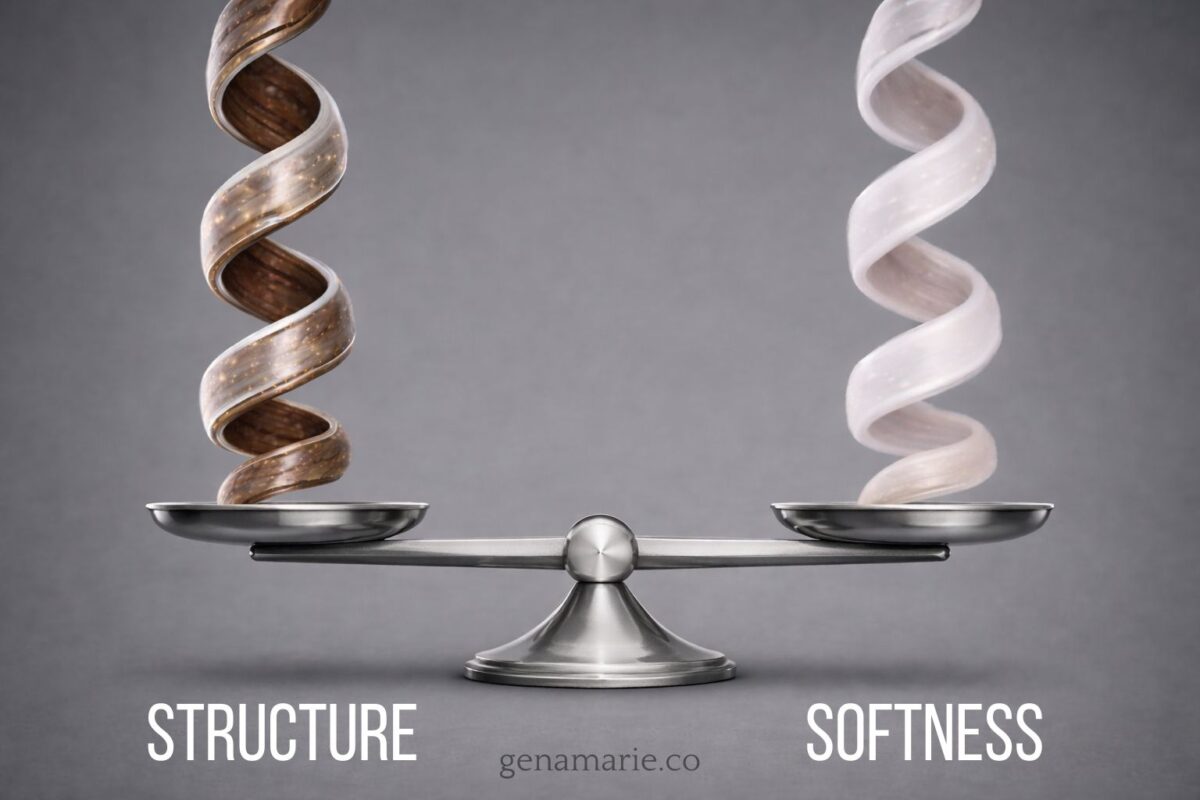
This conversation is rarely as simple as protein versus moisture. A more useful way to think about it is structure versus softness. Protein contributes to structure. It can help curls hold their shape and feel more supported, especially when damage is present. Conditioning ingredients, on the other hand, coat the hair and increase flexibility and softness. Both of these can build up, and neither is inherently “bad.” Problems usually arise when one side is overemphasized without considering the overall result.
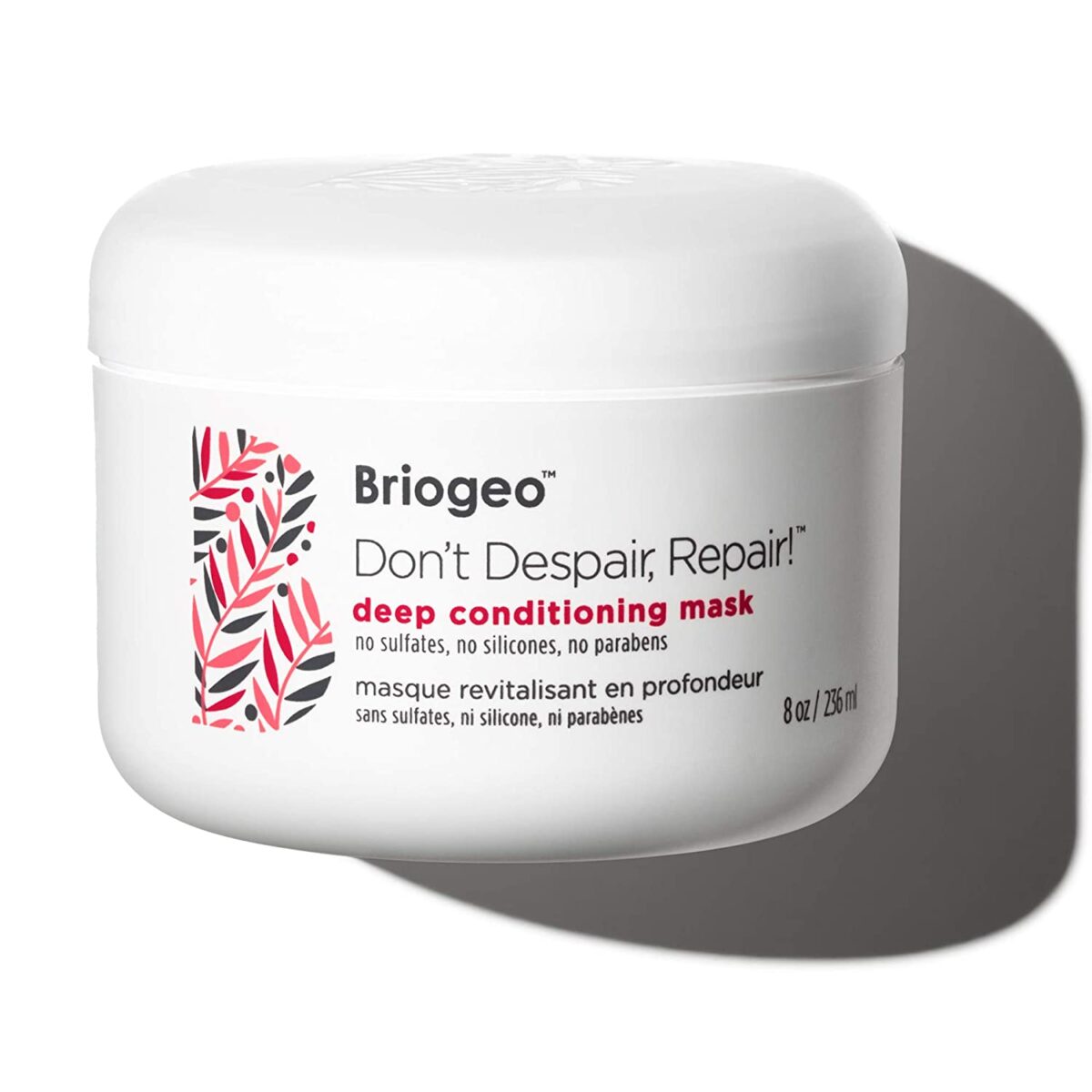
This is also where a lot of confusion comes from. Protein-containing products are still conditioning. Many protein-rich deep conditioners — including ones I personally like, such as Briogeo one listed here — are designed to strengthen and soften the hair at the same time. Protein does not automatically mean dryness.
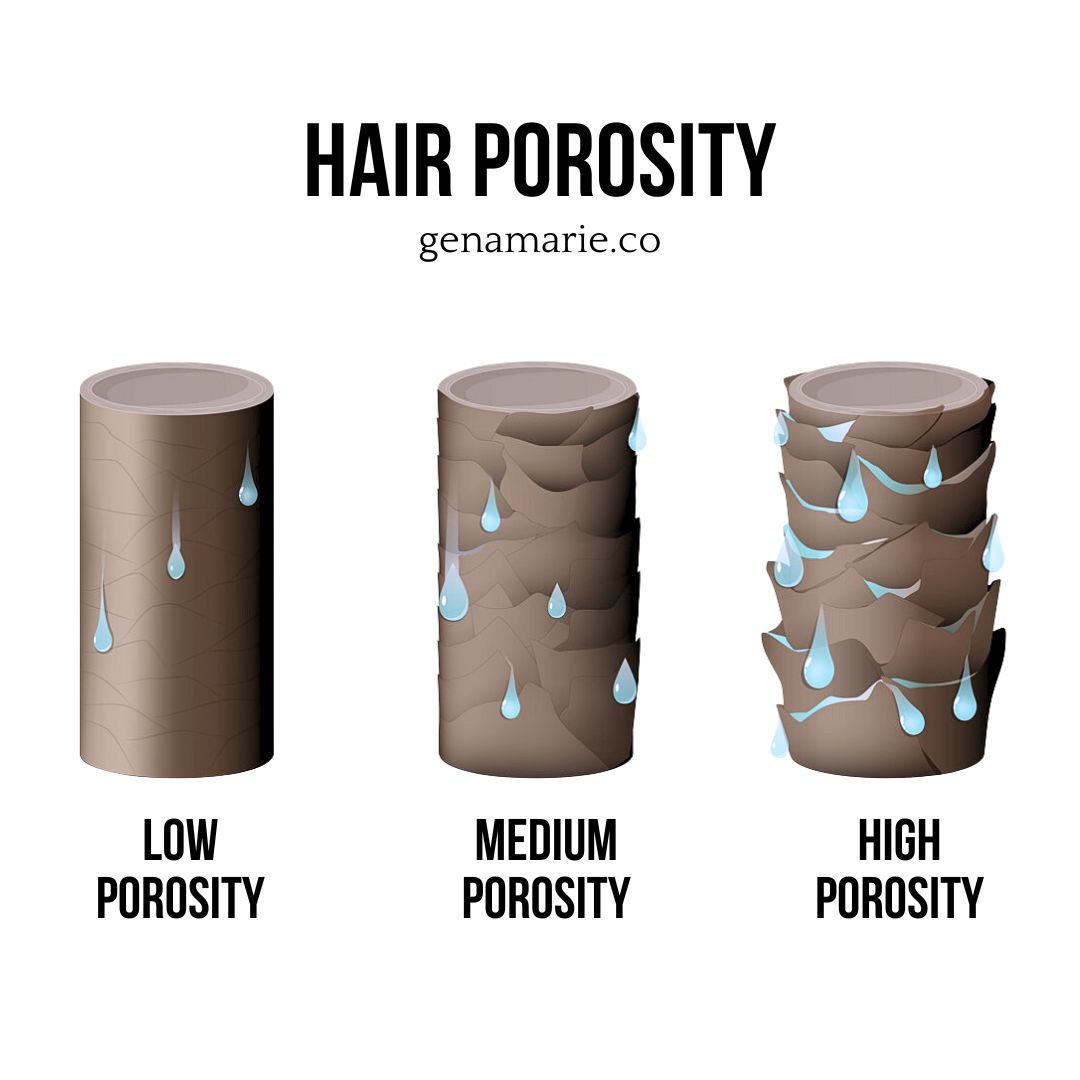
Briogeo Don’t Despair, Repair!™ Deep Conditioning Hair Mask When results aren’t ideal, the solution is often much simpler than people expect. Clarifying and resetting is usually all that’s needed, rather than immediately chasing the opposite extreme. I spend a lot of time helping clients step out of fear-based troubleshooting and into observation-based adjustments, so they can understand what their hair is actually responding to. When panic drives decisions instead of cause and effect, progress slows down — even when people are doing “all the right things.” Porosity and the Pressure to Label Your Hair“You need to know your porosity to choose the right products.” “Porosity doesn’t really matter and can’t be accurately tested.” Porosity has become another label people feel pressured to figure out. Quizzes and products marketed toward specific porosities add to the confusion, often implying that porosity can be fixed or healed.
In reality, porosity mostly reflects damage versus non-damaged hair. It’s not something that can be changed by a product, and it’s not required to build a successful routine. This is why, when coaching my clients, I usually don’t spend much time trying to “test” someone’s porosity. Instead, I ask a much simpler question: what kinds of things have you done that could have damaged your hair? That answer is often far more useful than a quiz. Some common forms of damage include:
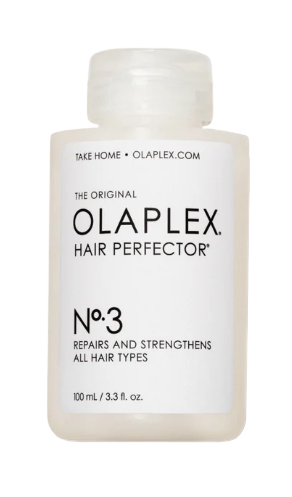
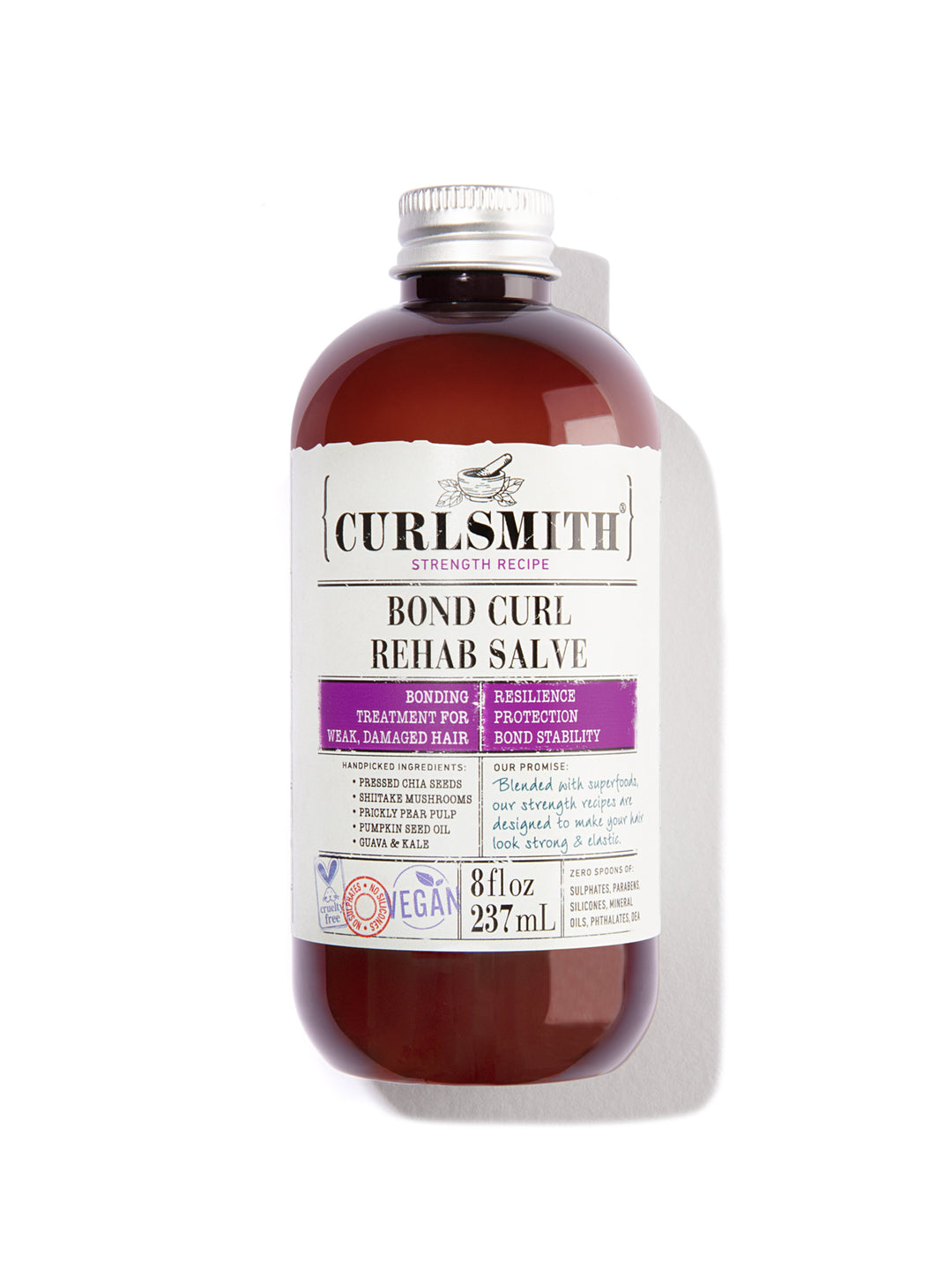
Tools like Strandprint (10% off with code GENA10) can provide deeper insight into hair structure, but most people don’t need that level of analysis to achieve great results. Many clients come to me stuck on labels, when what they actually need is help interpreting how their hair is responding. If your hair is damaged, you will need to incorporate strengthening products, such as bond-building treatments. You may also need a bit more conditioning and strong hold because your curls likely won’t last long.
Curlsmith Bond Curl Rehab Salve Final Thoughts: Why Discernment Matters More Than RulesIf curly hair advice has ever felt overwhelming, it’s not because you’re doing something wrong. Most of the people I work with didn’t need more rules — they needed context. When you understand how washing, conditioning, and hold affect your results, curly hair becomes much simpler. This is what I focus on with my clients. I don’t just tell people what to use or which rule to follow. I help them understand why their hair behaves the way it does, so they can make informed adjustments instead of starting over every time something doesn’t work. The Strong Hold Method supports this by helping people balance moisture and hold so their curls actually last. But the real transformation comes from building discernment — learning how to read your hair and stay consistent over time. If you’re tired of bouncing between conflicting advice and want clarity instead of more rules, coaching is where that shift happens. You can read more about my Group Curl Coaching Membership here and get $100 off by securing your seat now for the Spring program. Reply to this email with questions. And I’d love to hear from you:
|

Gena Marie
Curly hair coach helping you better understand your naturally curly hair through easy-to-follow tutorials, science-based haircare tips, and problem-solving.
If you’ve been adding products to your curl routine hoping something finally clicks — this is the post to bookmark. Most curl routines don’t fail because the right product hasn’t been found yet. They fail because the foundation was never built in the first place. Before you buy anything new, check whether you actually have what matters most. This post covers the exact products and tools I start every client with — and the ones I almost always remove first. The Full Foundation Checklist Here’s...
If your curls look great right after diffusing but frizz out, collapse, or lose definition by the end of the day — you’re probably not dealing with a product problem. You’re dealing with a routine problem. Most people assume they need a different gel, or more moisture, or a better leave-in. But if the underlying routine isn’t balanced, switching products just moves the problem around. This is something I see with curl coaching clients all the time. They’re using good products, but the routine...
The original Bounce Curl EdgeLift brush became one of the most talked-about styling tools in the curly hair space — but a lot of people found it too aggressive. Bounce Curl heard that feedback and released two new brushes designed to be gentler, along with a full Weightless product line. I tested both during a full wash day to see if they actually deliver. New Bounce Curl Brushes Overview The original Bounce Curl Define brush became widely popular because of the ridge design that helps group...