|
Does the viral Abbey Yung Method, primarily a straight hair routine, actually work for naturally curly hair?
Abbey Yung is a beauty creator with a science-based, routine-driven approach to long-term hair health, and a lot of her principles actually overlap with how I think about curls.
Watch the Abbey Yung Method, including Part 1 & Part 2.
This is not a critique of Abbey’s routine, and I’m not recreating it on my own hair. Instead, I’m translating her method for curly hair so you can understand which principles carry over, which steps need adjustment, and how to apply them in a way that supports curl definition, hold, and longevity.
Pre-Wash Treatments
Abbey’s Steps Covered
- Step 1: Pre-Wash Bond Repair Treatment
- Step 2: Pre-Shampoo Oil Treatment
Abbey starts her routine by protecting the hair before shampooing. She often uses a pre-wash bond repair treatment and may also use a pre-shampoo oil. The intention is to reduce damage, protect fragile hair, and support long-term hair health. She also notes that you don’t have to use all of these every wash day.
What Translates for Curly Hair
This step is especially helpful for curly hair that is damaged, fragile, or tangles easily. A lot of breakage happens during shampooing, and curls are more prone to mechanical damage simply because of how the hair coils and knots.
Curl-Specific Clarifications
Where curly hair needs adjustment is how many pre-wash steps are used at once.
Curly wash days are already long, and most people with curls get tripped up by trying to do every option instead of choosing what their hair actually needs.
This step is also about detangling, not just protection. Going into shampoo with matted or tangled hair significantly increases breakage.
My Method (Pick One)
I choose one pre-wash option per wash day:
- Step 1A: Lightweight Oil
Used on dry hair to protect fragile strands and gently detangle (waves to curly hair patterns) before shampoo.
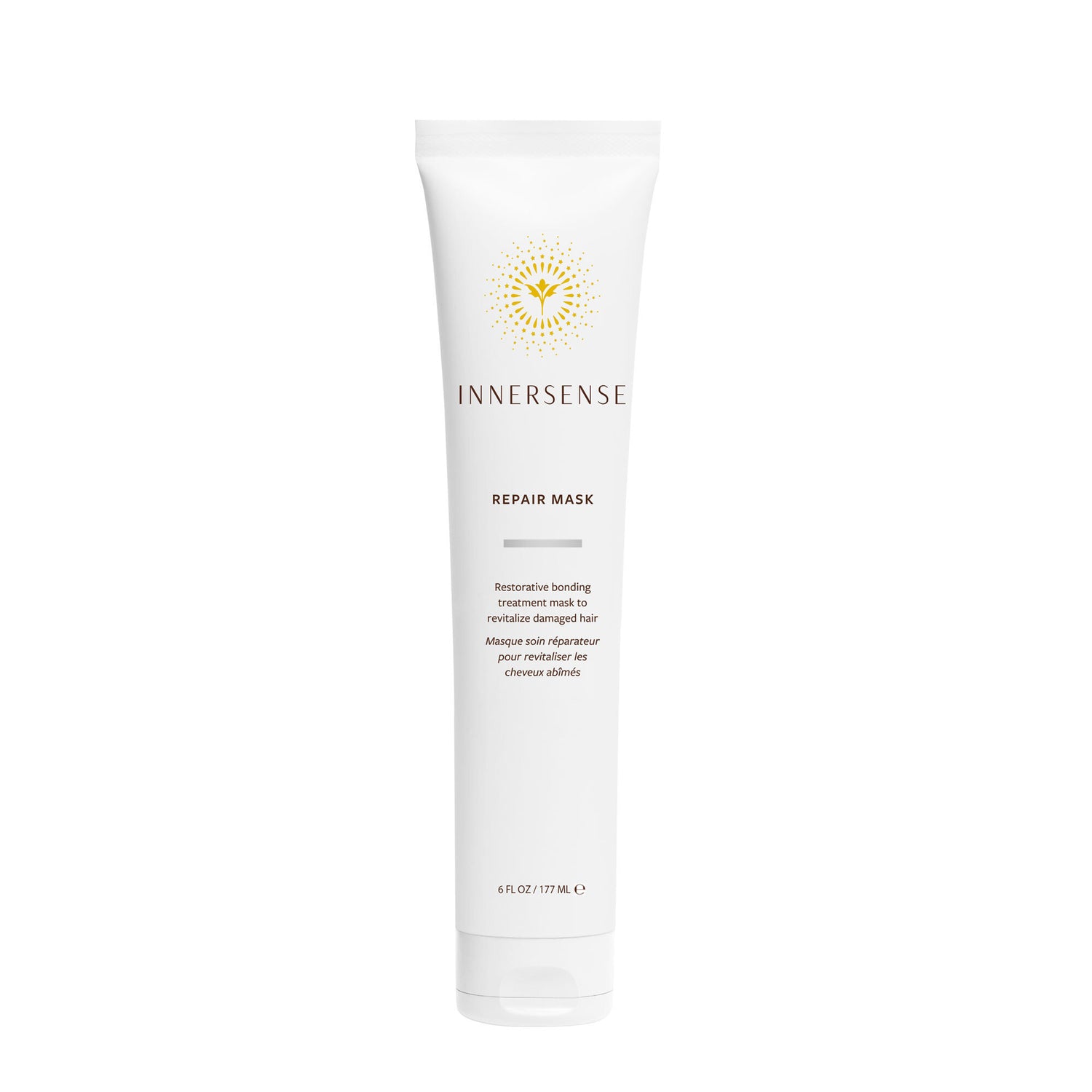
- Step 1B: Pre-Wash Bond Repair Treatment
Used instead of oil when my hair needs strengthening.
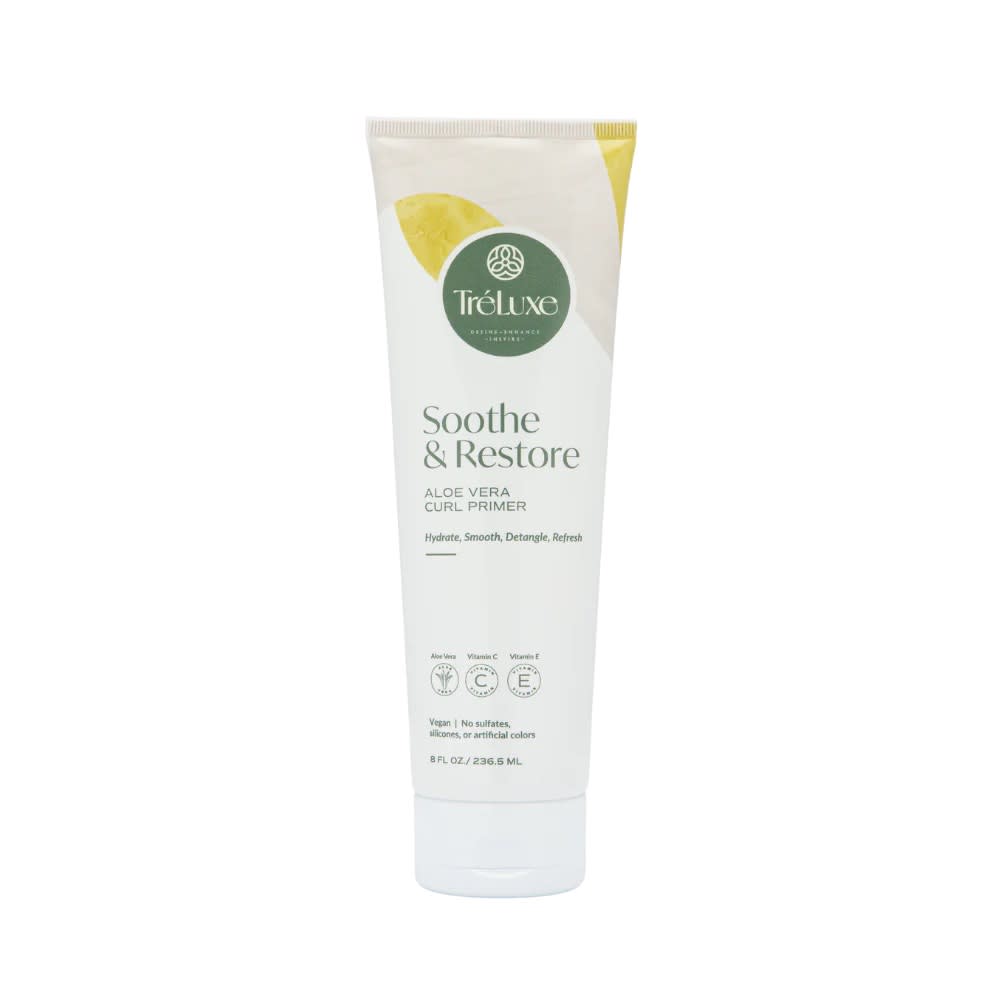
- Step 1C: Pre-Wash Conditioner or Primer for Detangling
Used to remove tangles in the shower prior to shampooing. Ideal for curly to coily hair patterns.
I do not stack oil and bond repair together. Some wash days I’ll also detangle again later with conditioner, depending on how tangly my hair is. The goal is to protect and detangle while keeping it simple.
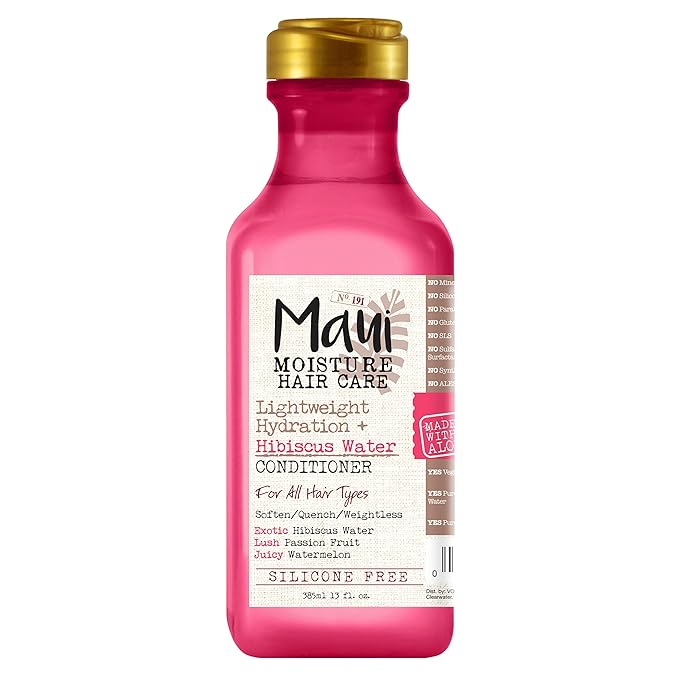
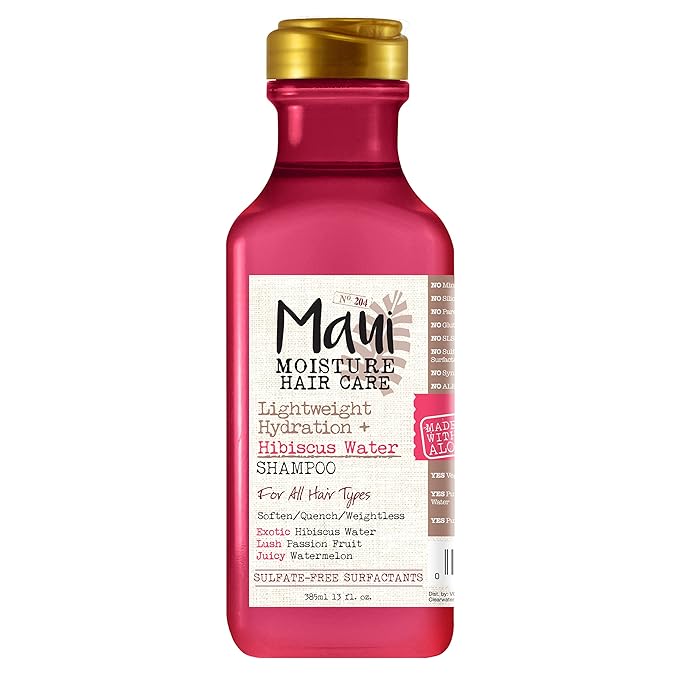
For the routine I shared in the video, I used the Curlsmith Bonding Oil on dry hair and Maui Moisture Lightweight Hydration Conditioner on wet hair.
Conditioner or Primers with Slip:
Cleansing
Abbey’s Steps Covered
- Step 3: Clarifying Shampoo
- Step 4: Regular Shampoo / Double Cleansing
Abbey prioritizes clean hair and encourages people not to fear strong shampoos or sulfates. She clarifies regularly and sometimes layers shampoos because she enjoys experimenting with products and benefits.
What Translates for Curly Hair
Clean hair matters. Clarifying is important for scalp health, curl performance, and hold.
Curl-Specific Clarifications
Many shampoos already have overlapping benefits. For example, on the days where you clarify, you do not need to also use a regular shampoo.
Curly wash days are long, so I don’t think most people need to layer multiple shampoos in one routine. If hair needs a second cleanse, the same shampoo can simply be used again.
My Method (pick one)
- Step 2A: Clarifying Shampoo
- Step 2B: Regular Shampoo
I rotate these using my Wash Day Schedule, rather than layering them together.
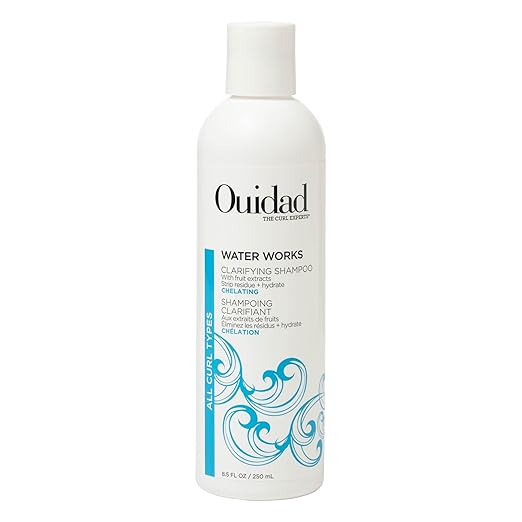
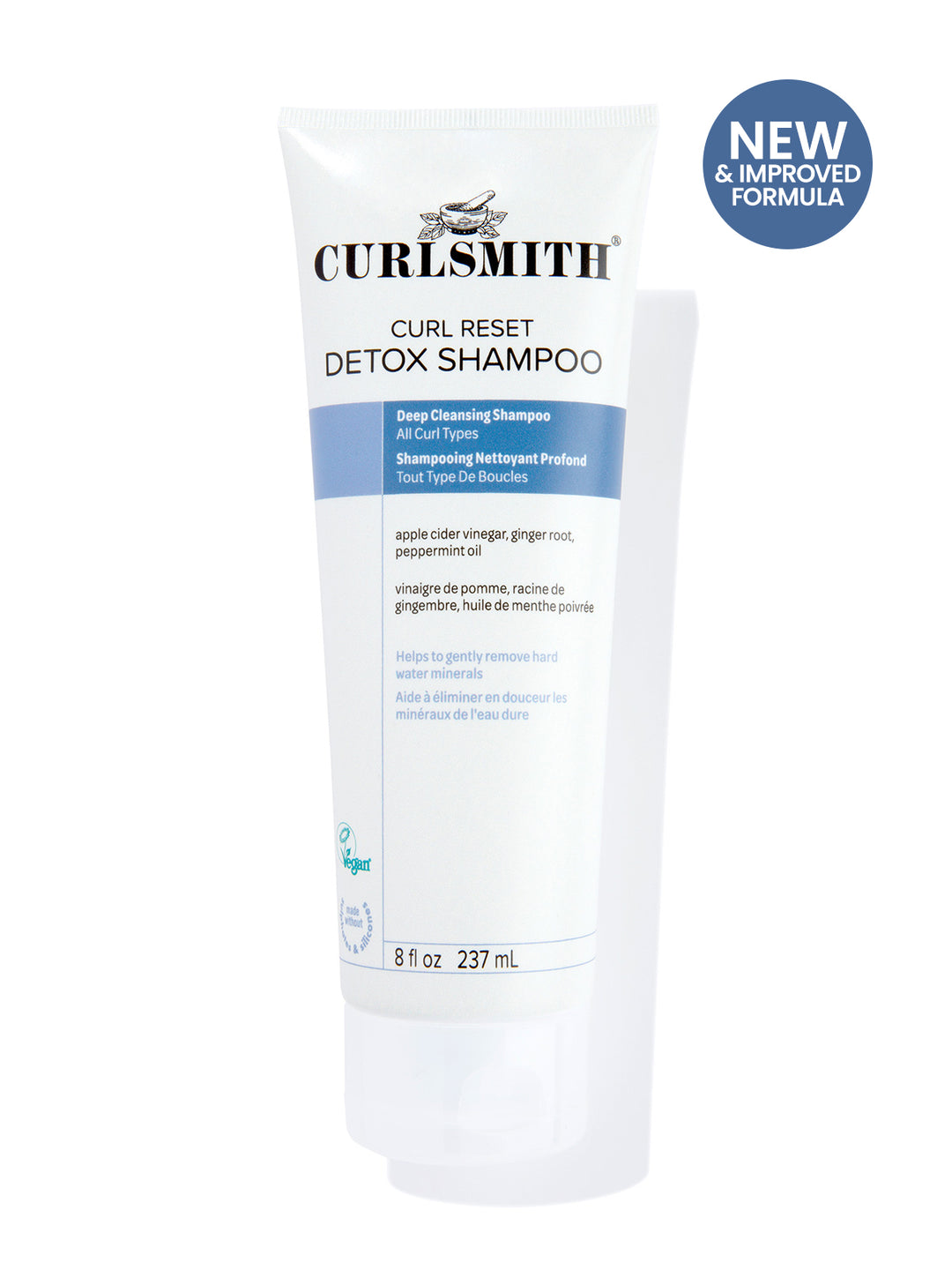
For the routine I shared in the video, I used the Ouidad Water Works.
Post-Shampoo Bond Repair
Abbey’s Step Covered
- Step 5: Post-Shampoo Bond Repair Treatment
Abbey includes rinse-out bond repair treatments such as K18 after shampoo to strengthen hair. She mentions that she often rotates around to different options and different formats of bond-repair.
Curl-Specific Clarifications
This step can work for curly hair, but if your hair gets weighed down easily, it’s something to be mindful of since it’s applied immediately after shampoo.
My Method
I don’t use a separate step here. Instead, I combine post-shampoo bond repair into my conditioning step.
See Step 3A below.
Conditioning
Abbey’s Step Covered
- Step 6: Conditioner, Mask, or Gloss
Abbey rotates conditioners, masks, and glosses depending on her needs.
Curl-Specific Clarifications
Curly hair needs conditioning, but total conditioning load matters.
Layering multiple conditioning products can overly soften curls, which reduces structure and makes it harder for styling products to create hold.
My Method (Pick One)
- Step 3A: Multipurpose Conditioner / Mask / Deep Conditioner
This is where I often combine conditioning and maintenance bond repair. On some wash days, I just use a standard deep conditioner without bond repair.
- Step 3B: Rinse-Out Conditioner
Used on lighter wash days.
Detangling often happens here as well, especially for curlier or coarser textures.
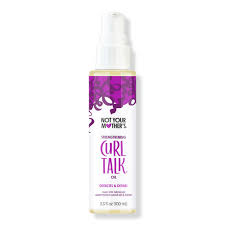
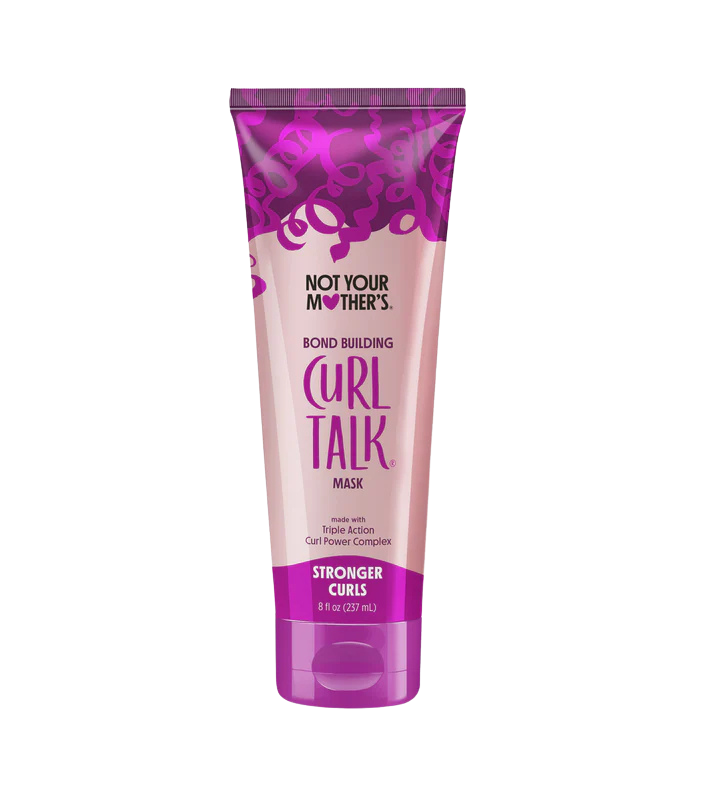
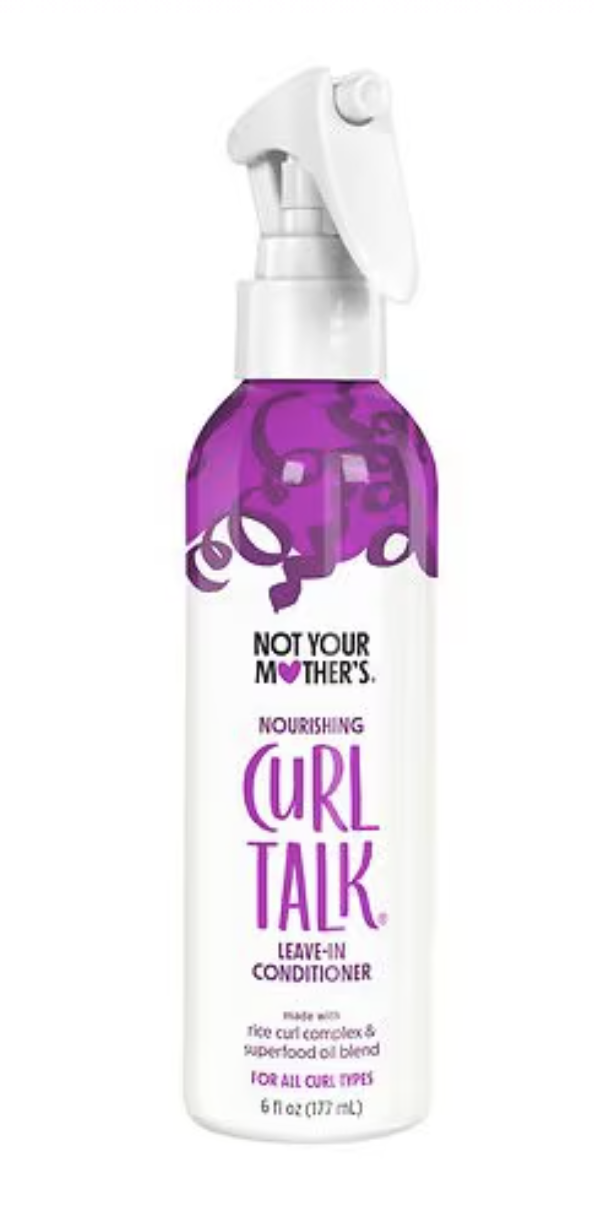
For the routine I shared in the video, I used the Not Your Mother’s Curl Talk Bond Building Mask.
Post-Shower Treatments
Abbey’s Steps Covered
- Step 7: Post-Wash Bond Repair Treatment
- Step 8: Leave-In Treatment & Heat Protection
Abbey applies post-wash bond repair and heat protection intentionally. She often recommends silicone-based options because she uses multiple heat tools. She also emphasizes even product application in sections. She applies leave-ins and heat protectants to hair that is towel-dried and starting to dry.
Curl-Specific Clarifications
If you diffuse, you need heat protection. I don’t have a problem with silicones — I just use them intentionally.
Because curls rely on styling products for structure and hold, I’m more selective at this stage. I usually recommend silicone-free leave-ins and heat protectants so they don’t interfere with hold.
We also typically use much less heat than straight-hair routines, so heavy heat protection isn’t always necessary.
My Method (Pick One)
- Step 4A: Heat protectant + leave-in + bond repair
Great option to minimize steps for those who need maintenance bond repair. I rotate this in weekly but not every wash.
- Step 4B: Heat protectant only
A standalone heat protectant, often applied to clean, damp hair before stylers.
- Step 4C: Heat protectant + leave-in
Some leave-in conditioners contain build-in heat protection, which is a great way to simplify steps and lightly condition.
- Step 4D: Styler with heat protection
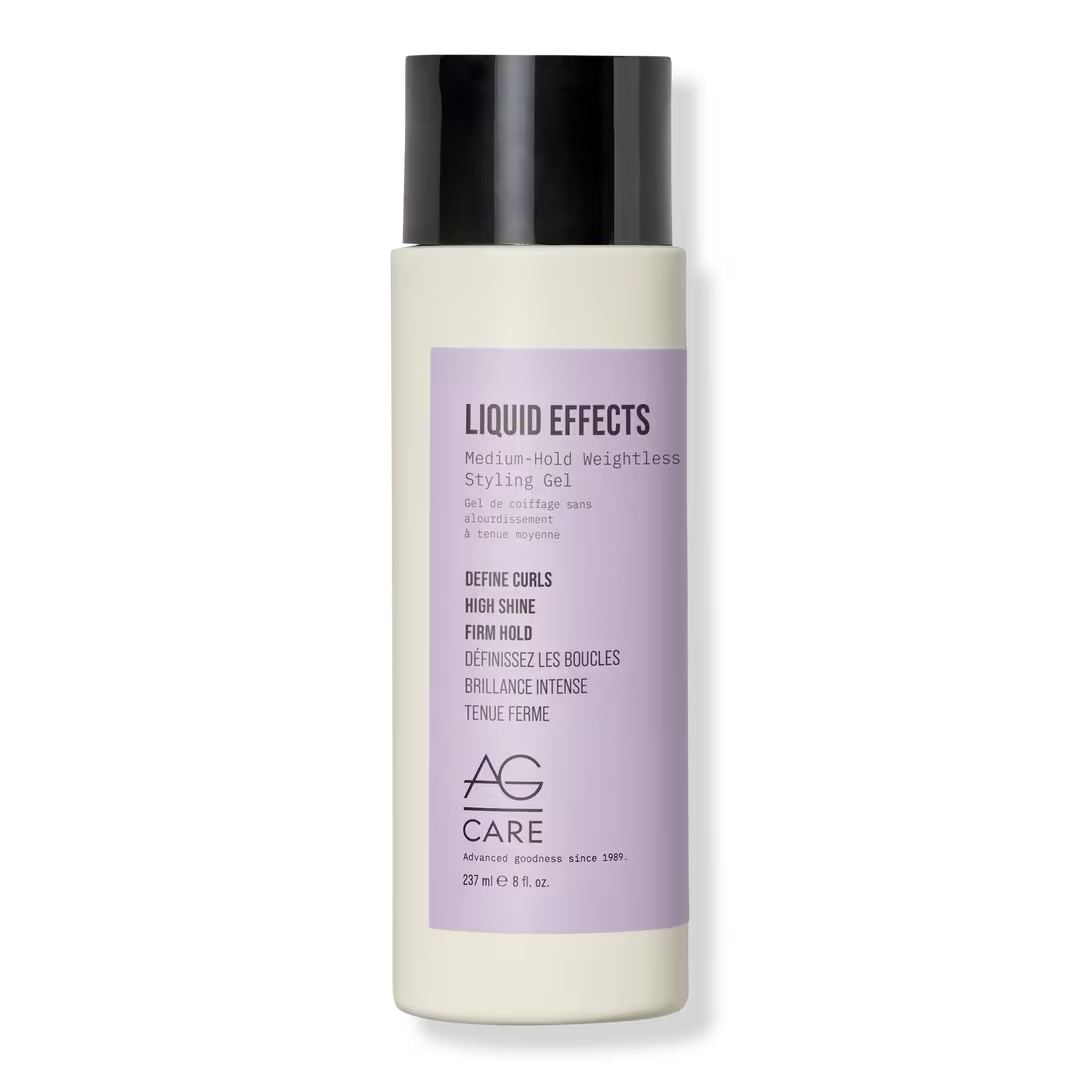
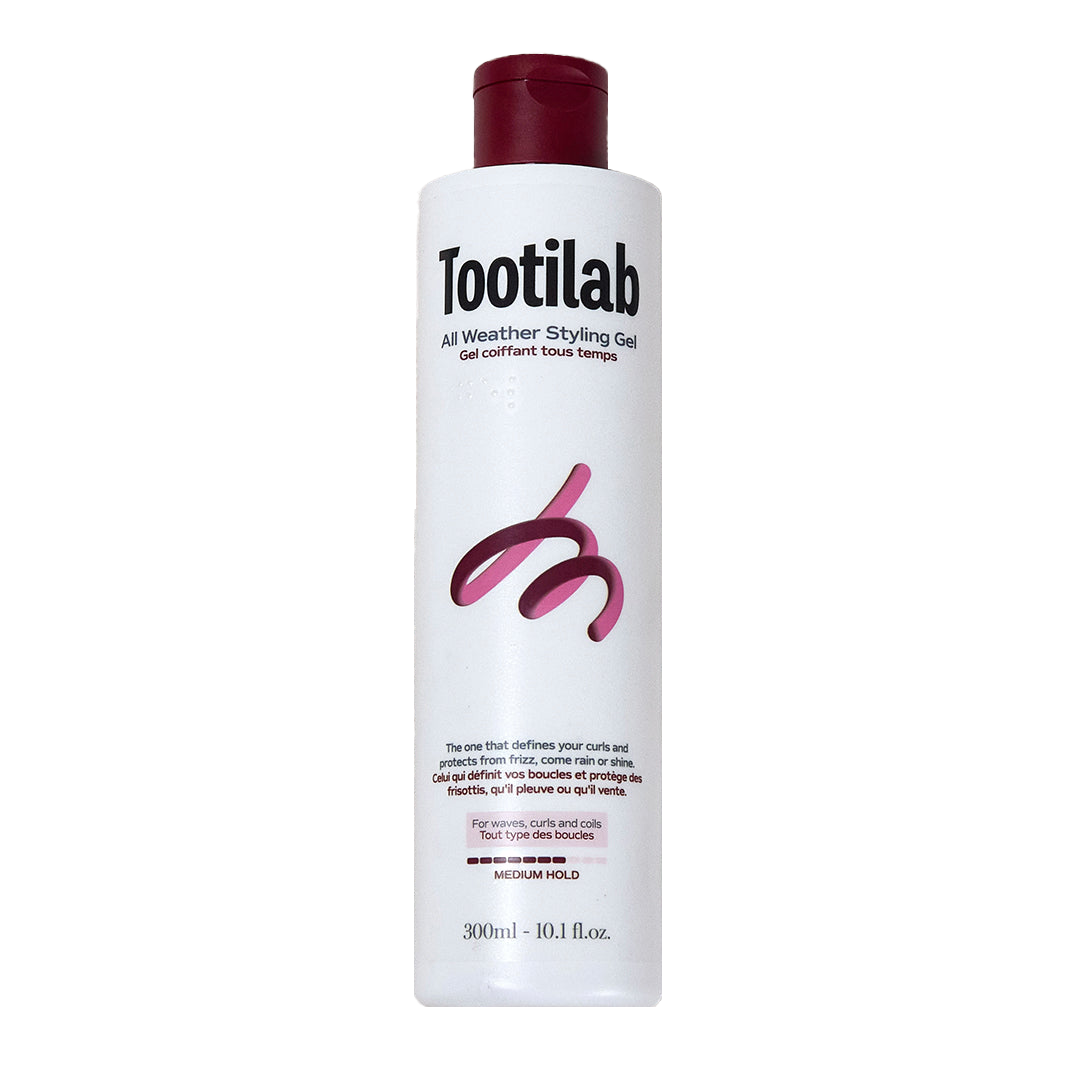
Simplify your wash day even more by using a gel that contains built-in heat protection. Choose one with conditioning properties, and you have a true “one-and-done” styling routine.
Everything is applied to evenly wet hair so products distribute evenly.
For the routine I shared in the video, I used the Curlsmith Miracle Shield.
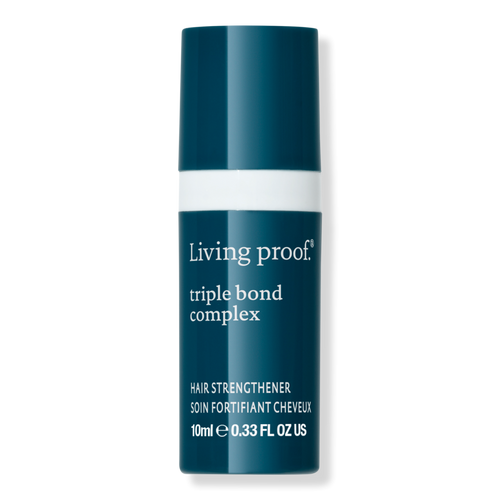
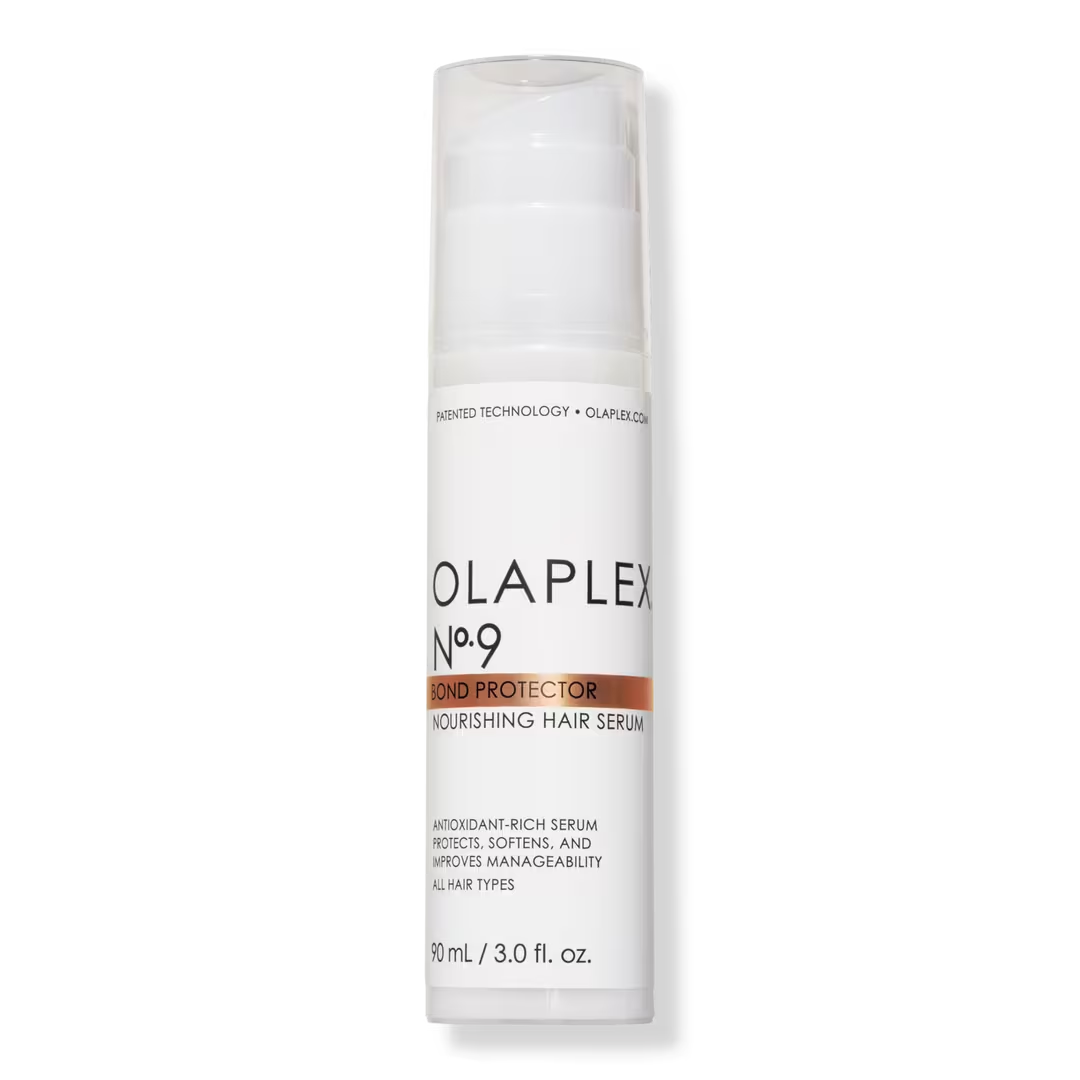
Leave-In Bond Repairs with Heat Protection:
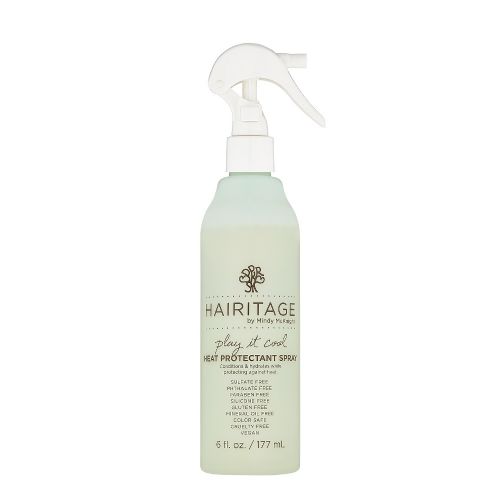
Heat Protectants + Leave-Ins:
Stylers with Heat Protection:
Styling
Abbey’s Step Covered
Abbey emphasizes that styling products are optional and flexible. She often applies these to towel-dried hair that is starting to dry.
Curl-Specific Clarifications
This is where curls completely diverge.
Curly hair must be styled on wet hair to form curl clumps, enhance definition, and set structure. Curly hair styling products need to provide both moisture and hold. Depending on your hair’s texture, this balance will vary.
My Method
- Step 5: Choose 1-2 Styling products, with the last styler providing hold/frizz control
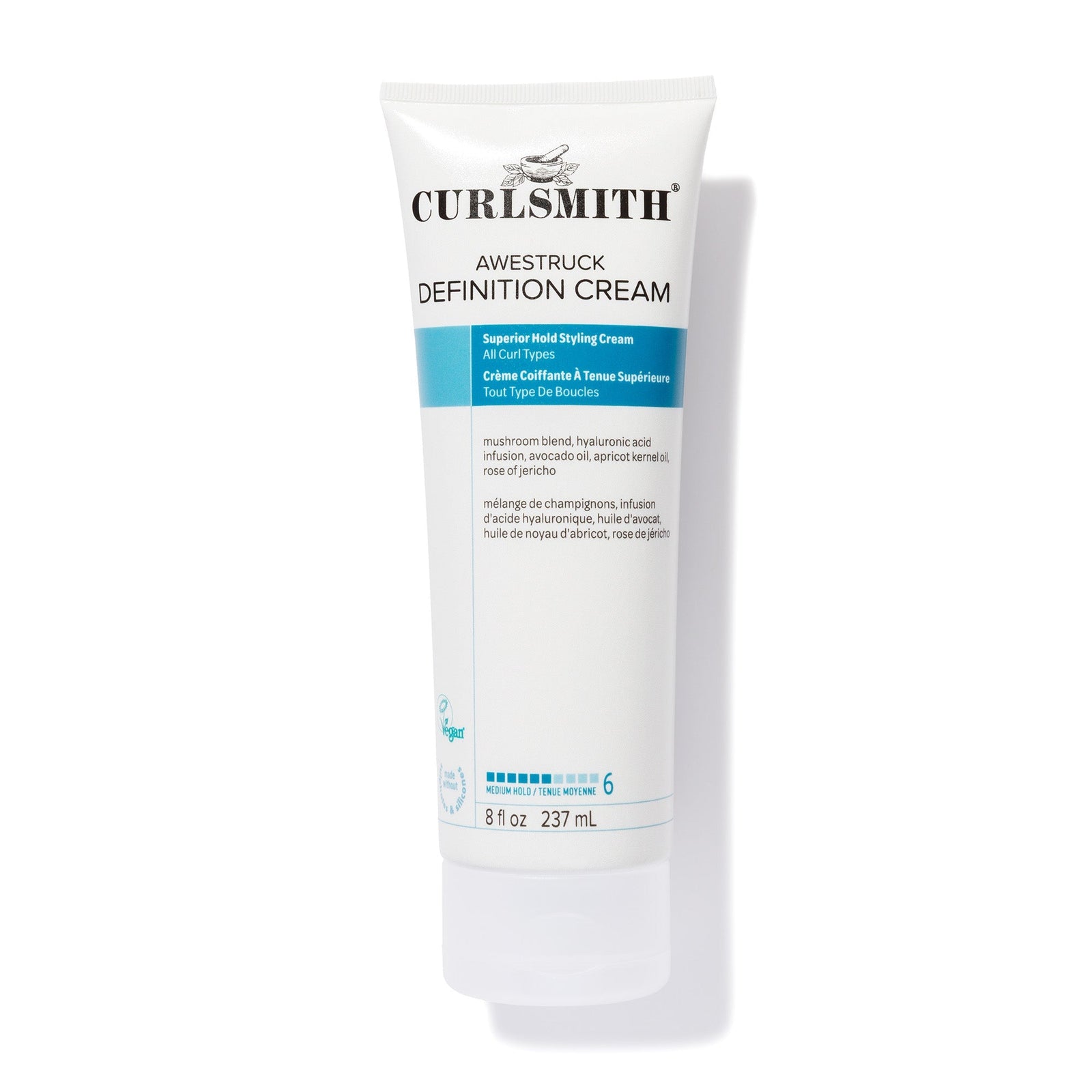
As mentioned in the above step for stylers with built-in heat protection, many of these are also conditioning, so you can use them on their own. If more conditioning is needed, include a leave-in or curl cream underneath.
- Diffuse after stylers with the Curlsmith Defrizzion & XXL Diffuser Attachment
This is the foundation of the Strong Hold Method.
For the routine I shared in the video, I used the Ouidad Advanced Climate Control Stronger Hold Gel.
Style Sealers
Abbey’s Step Covered
Abbey includes creams, oils, and serums to seal the style.
Curl-Specific Clarifications
This step depends on wet vs dry hair.
- Creams on wet hair before gel, only when extra moisture is needed
- Oils on dry hair, after diffusing, only when extra softness is needed
Oils on wet curls can break down hold. If you want a silicone, this is where I’d use it — on dry hair, intentionally.
My Method
- Step 6: Finishing oil (if needed)
Applied after diffusing, only if needed for extra softness. These can also be used at your pre-shampoo step to minimize products.
For the routine I shared in the video, I used the Curlsmith Bonding Oil.
Results
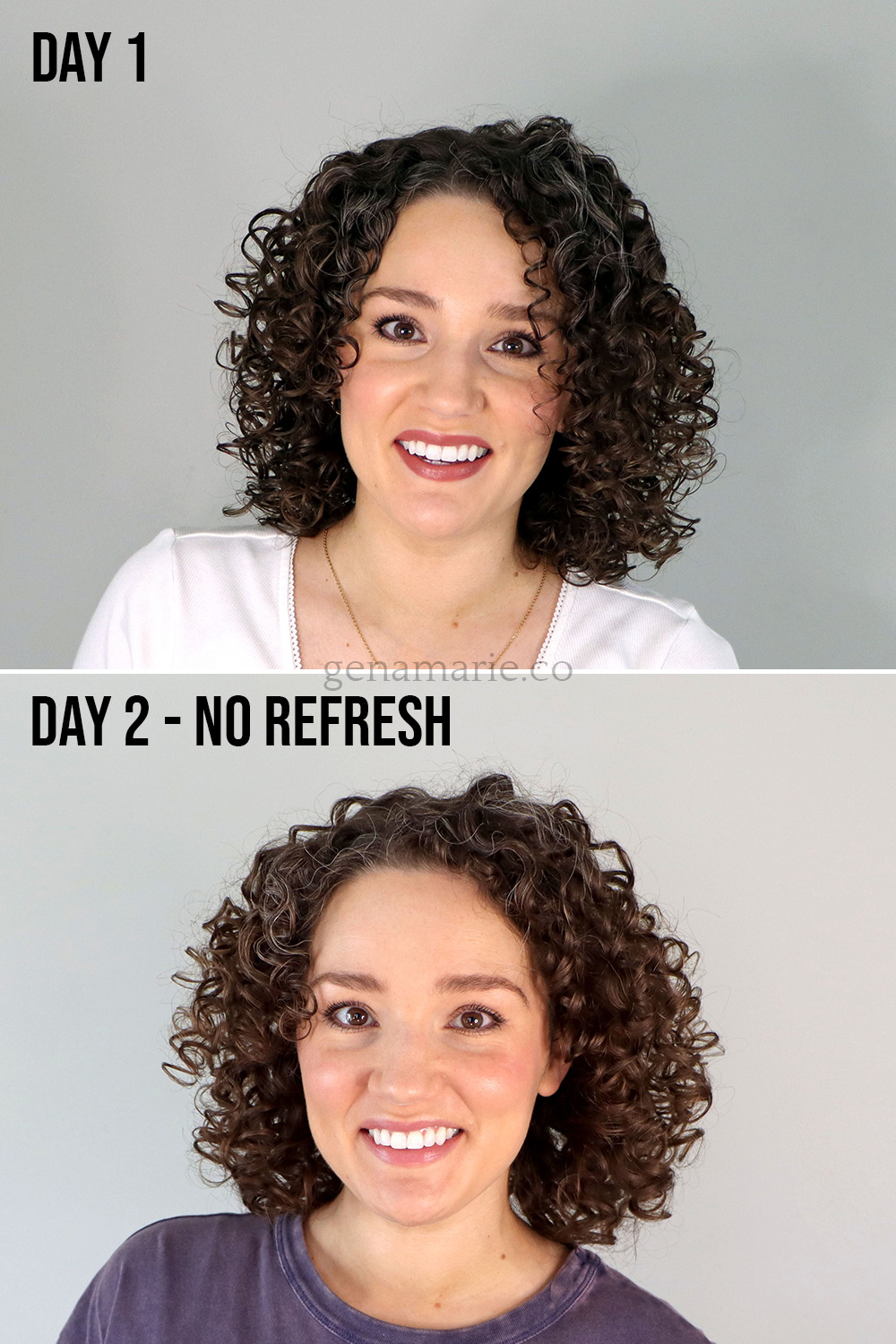
After wash day, my curls have strong definition, volume, and hold. They don’t feel overly soft or weighed down, and they last. This routine supports structure first, so styling actually holds.
Between-Wash Care
Abbey’s Step Covered
- Step 11: Conditioning, Heat Protection, Dry Shampoo
Abbey includes targeted between-wash maintenance, such as reconditioning the hair, applying heat protection in order to use heat tools to touch up, and dry shampoo to absorb scalp oil.
Curl-Specific Clarifications
With curly hair, if your routine is right for your hair, you can wash a few times a week and not restyle in between. Some touch-ups are necessary, and we call this “refreshing.” This should not be a full soak down and re-style. Dry shampoos are also not very popular since curly hair is less likely to be oily, however some loose curl and waves types may experience oily roots if they have an oily scalp.
My Method (Day 2+)
- Light water refresh if needed
- Small amount of gel only if necessary
- No re-application of heat protectant
- Quick diffuse if needed
- No full restyles
Day 2
My curls still have shape, volume, and definition. This is the reason I structure my routine this way — so curls last without constant manipulation. I don’t have to do anything to my hair on day 2 with this routine, aside from maybe arranging the curl clumps with dry hands. On day 3+, I may refresh with the methods listed above.
Final Thoughts
Abbey’s method is thoughtful, intentional, and grounded in hair science. Many of its principles translate beautifully to curly hair, and some need adjustments for curls.
The key difference is simplification.
Curly hair requires more intention during styling, so wash days need to support — not compete with — that process. When wash days are simplified and styling is prioritized, curls last longer, hold better, and require less work between washes.
If you want help applying this in a simple, repeatable way, this is exactly what I teach inside the Strong Hold Method and my Wash Day Schedule.
Those tools are designed to help you stop guessing, simplify your routine, and finally get consistent curl results.
If you want deeper guidance and a step-by-step approach to building a routine that truly works for your hair, you can request an invite to my upcoming Curl Coaching Program. It’s designed to help you simplify your routine, choose products with confidence, and finally get consistent, long-lasting results.
|