Curly hair coach helping you better understand your naturally curly hair through easy-to-follow tutorials, science-based haircare tips, and problem-solving.
Damage Recovery for Beginners: How to Get Your Curls Back
|
If you’re trying to wear your hair curly and you feel like you’re doing everything right but your hair still doesn’t look how you want, you’re not failing — you’re just starting from damage or curl memory loss. Most people who are new to wearing their curls aren’t starting from fully intact curl structure. They’re coming from years of heat styling, chemical treatments, hiding their curls in tight ponytails, or simply not wearing their hair curly consistently. That changes what your hair can realistically do right now. As a curl coach, this is something I see with clients all the time. Recovery isn’t about doing more or overhauling your entire routine. It’s about knowing what to stop so you’re not delaying progress — and what to start so your hair can actually improve while it grows out. This post is part of my Beginner Curls Series, where I break down what actually matters so you can stop feeling stuck and start seeing progress. ❌ Stop Going Back and Forth
|

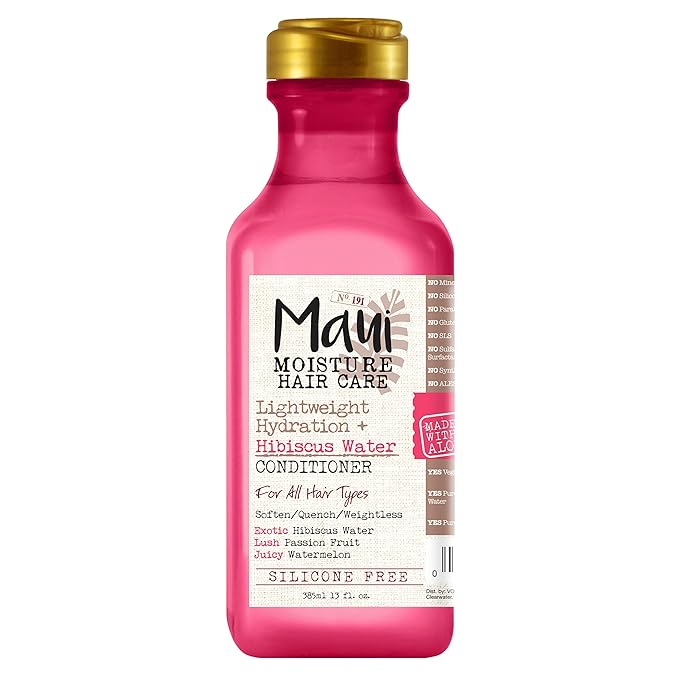 |
Maui Moisture Lightweight Hydration + Hibiscus Water Conditioner
Option 2: Use a lightweight oil before washing
Not Your Mother’s Curl Talk Strengthening Oil is a good drugstore option, but any oil will work.
- Apply to dry hair
- Helps with slip for detangling
- Protects fragile, damaged ends
- Optional rotation with bond-building treatment (not stacked)
- This is an add-on for breakage protection, not a replacement for bond building treatments
- Especially important for damaged or transitioning hair
 |
Not Your Mother’s Curl Talk Strengthening Oil
This isn’t about adding more steps. It’s about reducing breakage during the steps you’re already doing.
❌ Stop Expecting Deep Conditioner to Fix Damage
✅ Start Using Bond-Building Treatments Consistently
If your hair is damaged from heat or chemical services, the issue is structural — not just dryness.
Deep conditioners:
- Improve softness
- Help with manageability
- Do not repair internal structure
Bond-building treatments:
- Support internal structure
- Require consistent use
- Work gradually over time
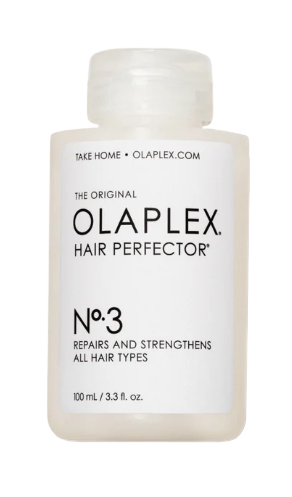
Olaplex No. 3 is used before shampooing on damp hair and left on to support internal bonds. Curlsmith Bond Curl Rehab Salve is another strengthening option that can support structure, especially when your curl pattern feels inconsistent. These are applied on WET hair and not used on the same day as pre-shampoo oil.
 |
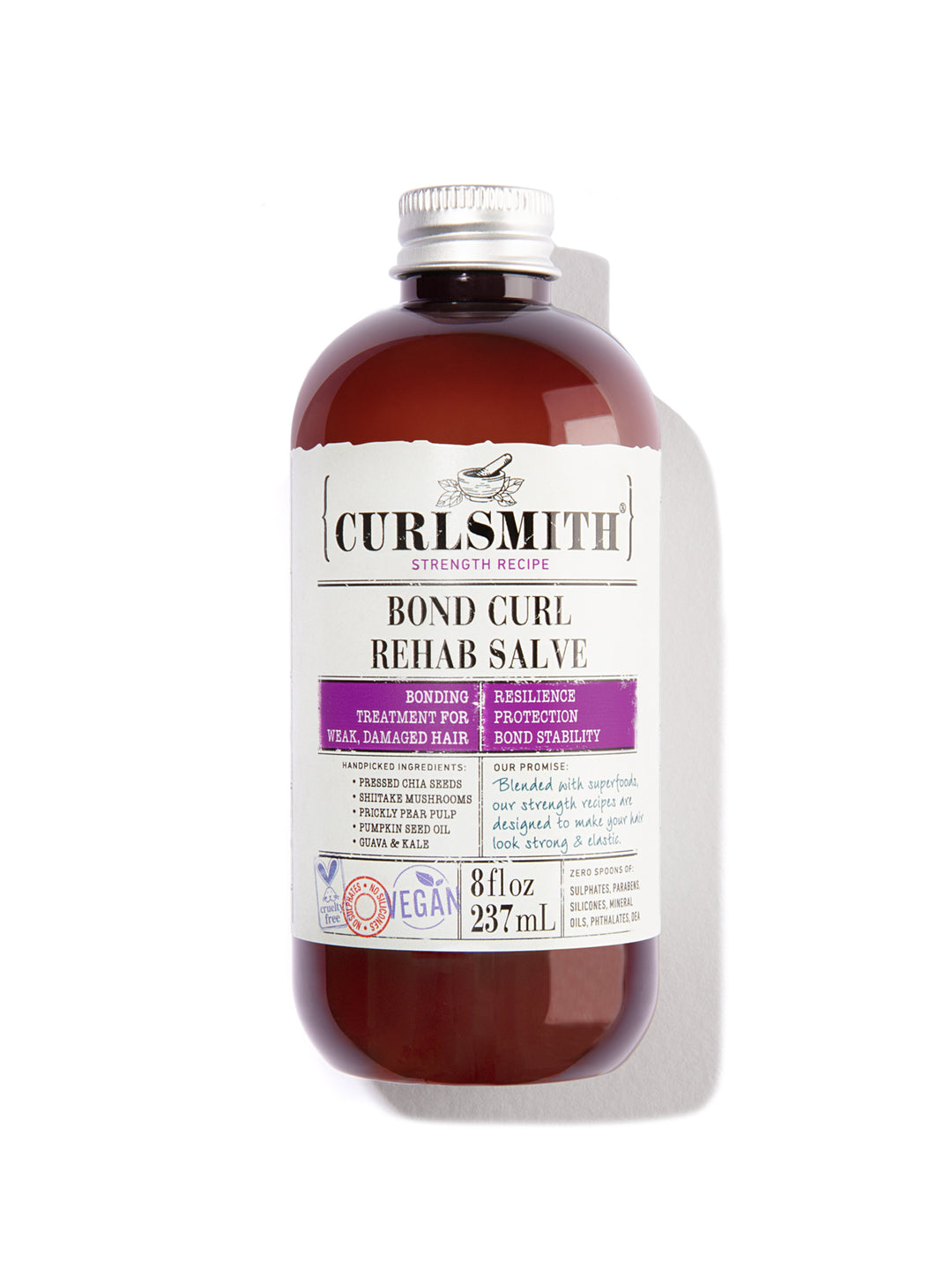 |
Curlsmith Bond Curl Rehab Salve
These treatments are not dramatic after one use. Weekly consistency is what supports gradual improvement. Recovery is incremental, not instant.
❌ Stop Avoiding Clarifying
✅ Start Resetting Your Hair Regularly
If you’re layering stylers, oils, conditioners, and treatments without clarifying, buildup can block progress.
Clarifying removes product residue and hard water minerals so your hair can reset.
Some of my favorites:
- Malibu C Hard Water Wellness Shampoo – stronger and more intensive, helpful if you have significant mineral buildup or haven’t clarified in a while
- Ouidad Water Works Clarifying Shampoo – more gentle, making it a better option for more regular use
Clarifying gives your hair a clean foundation so your treatments and stylers can perform the way they’re supposed to.
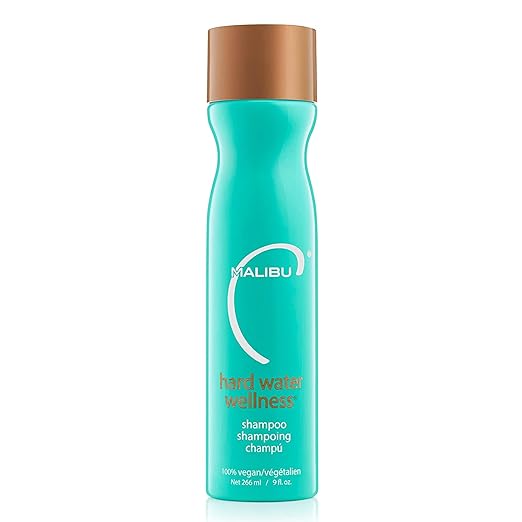 |
Malibu C Hard Water Wellness Shampoo
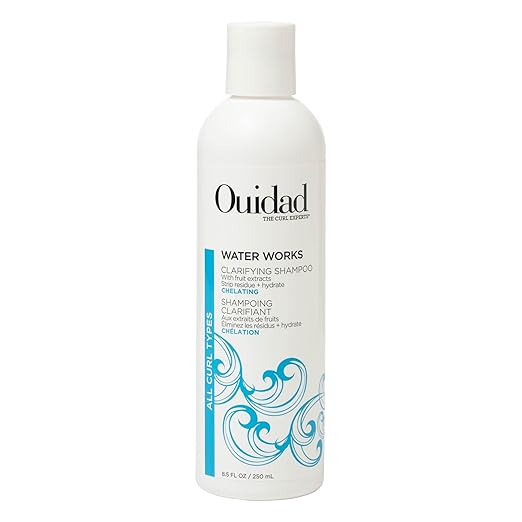 |
Ouidad Water Works Clarifying Shampoo
❌ Stop Overconditioning
✅ Deep Condition Only If Your Hair Truly Needs It
It’s easy to assume damaged hair needs constant deep conditioning.
But softness alone doesn’t equal health. Overconditioning can make curls limp and harder to hold, especially if your hair is already naturally soft.
Condition after clarifying. If your hair feels truly dry or brittle, lighter masks like Not Your Mother’s Curl Talk Bond Building Mask or Briogeo Acai & Passionfruit Lightweight Mask can support softness without overwhelming the hair.
The goal is balance — not excess.
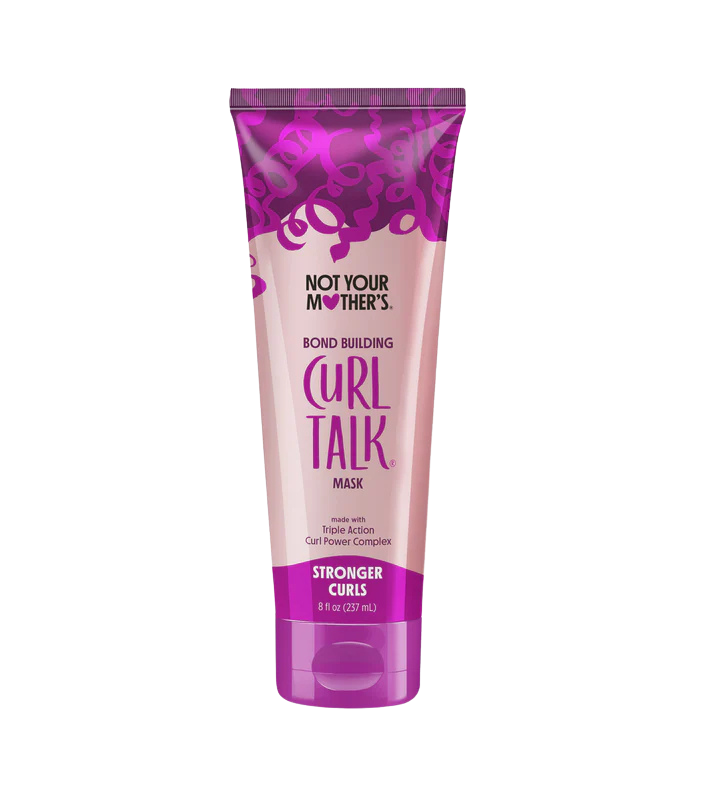 |
Not Your Mother’s Curl Talk Bond Building Mask
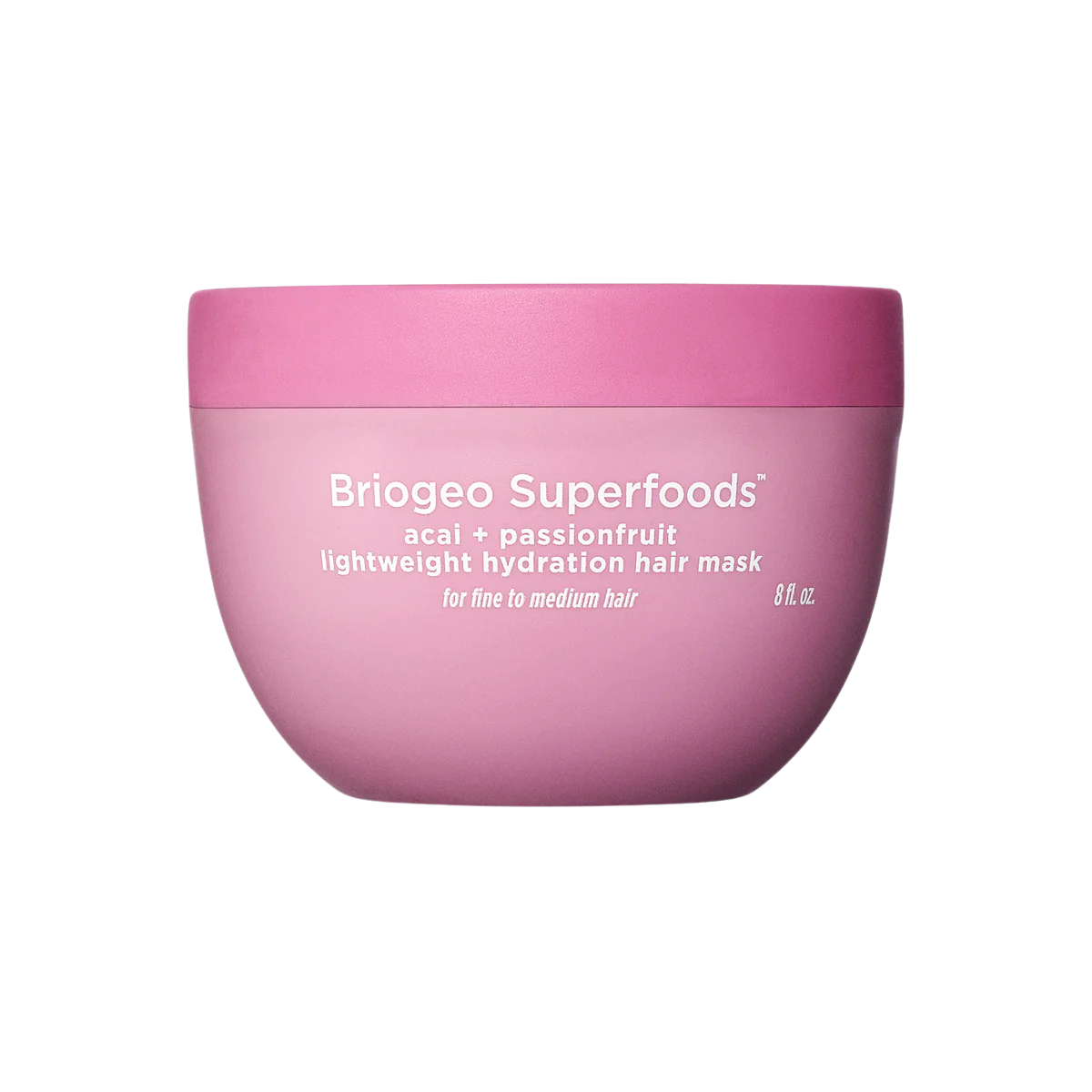 |
Briogeo Superfoods Acai Passionfruit Lightweight Hydration Hair Mask
❌ Stop Using Heat Without Protection
✅ Start Using a Heat Protectant & Keeping Prep Simple
If you diffuse, you’re still using heat.
Curlsmith Miracle Shield is a lightweight spray option that provides heat (and UV) protection. Not Your Mother’s Curl Talk Leave-In is another simple prep option that gives slip and protection in one step.
You don’t need multiple prep layers. Keep it simple. One protective product applied evenly is enough.
If you want the full breakdown of styling for hold and longevity so your curls last longer and require less manipulation the next day, that’s covered in the First Wash Day Experiment video in this series.
From here, the focus shifts to protecting that style.
 |
Curlsmith Miracle Shield Heat Protection Spray
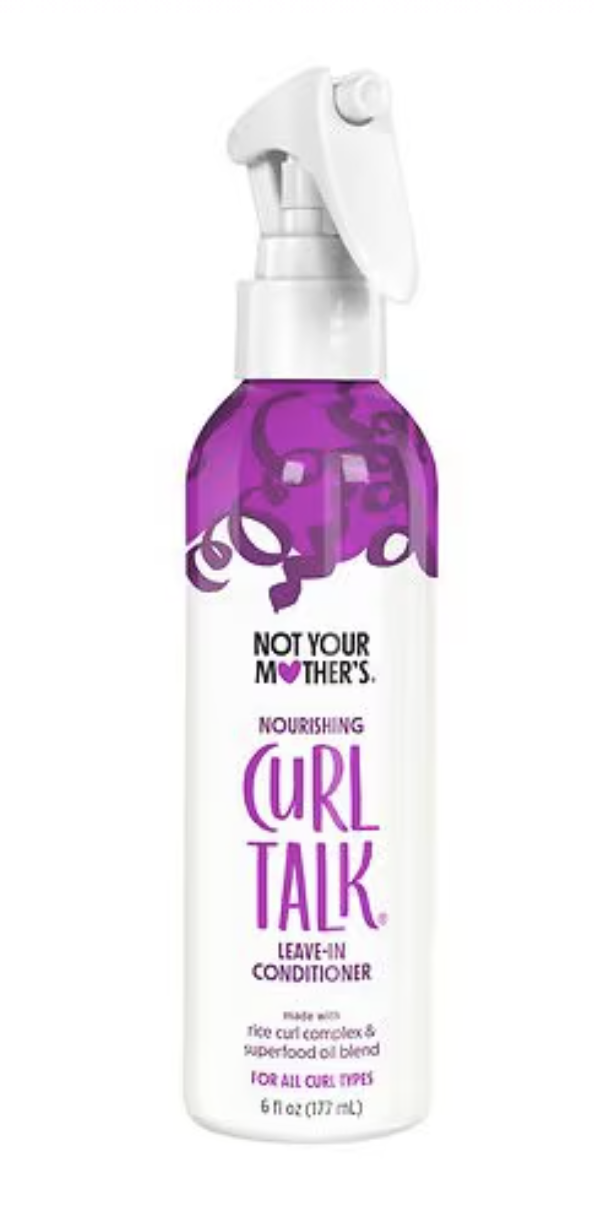 |
Not Your Mother’s Curl Talk Leave-In Conditioner
❌ Stop Sleeping Unprotected
✅ Start Protecting Your Hair Every Night
Friction at night can quietly undo your progress.
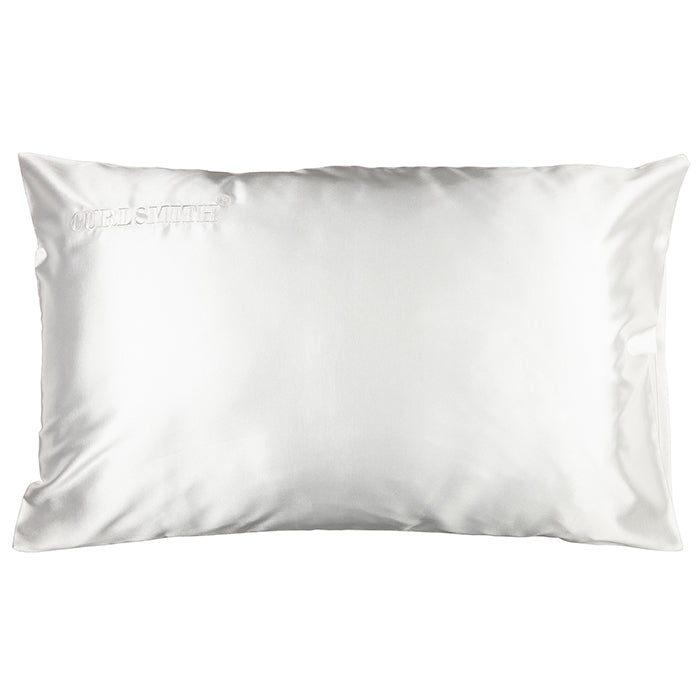
Switch to a satin or silk pillowcase. The Curlsmith Satin Pillowcase helps reduce friction and preserve your style overnight.
For additional protection, use a satin bonnet with an adjustable band to keep curls gently gathered. This reduces friction and helps maintain shape so you’re not forced to fully refresh the next morning.
Night protection supports long-term recovery.
 |
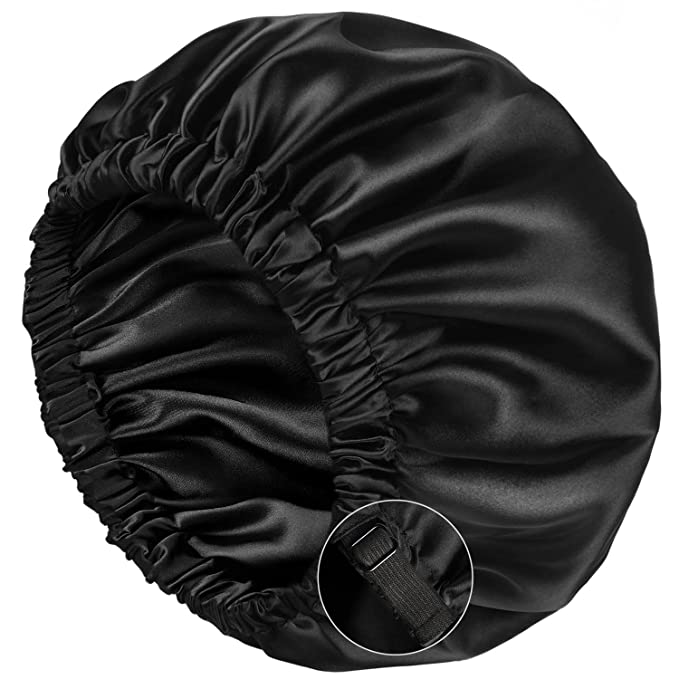 |
Satin bonnet with adjustable band
❌ Stop Over-Refreshing & Daily Wetting
✅ Start Letting Styles Last & Hiding Safely When Needed
Constantly re-wetting and restyling creates unnecessary manipulation — especially on fragile ends.
Instead of fully refreshing daily, let styles last as long as you reasonably can. If certain areas get frizzy or flat, hide them safely rather than redoing everything.
Low-tension options that help during the awkward phase:
- Curlfriend Collective Midi Scrunchies (instead of tight elastics)
- Comfort Curve Silk Headband
- Wavy headbands
- Small mini claw clips
These let you tuck pieces back, disguise frizz at the perimeter, or get hair off your face without creating tension that disrupts curl memory.
Hiding safely during this phase isn’t failure. It’s a strategy that helps you stay consistent while your hair improves.
 |
Curlfriend Collective Midi Silk Scrunchies
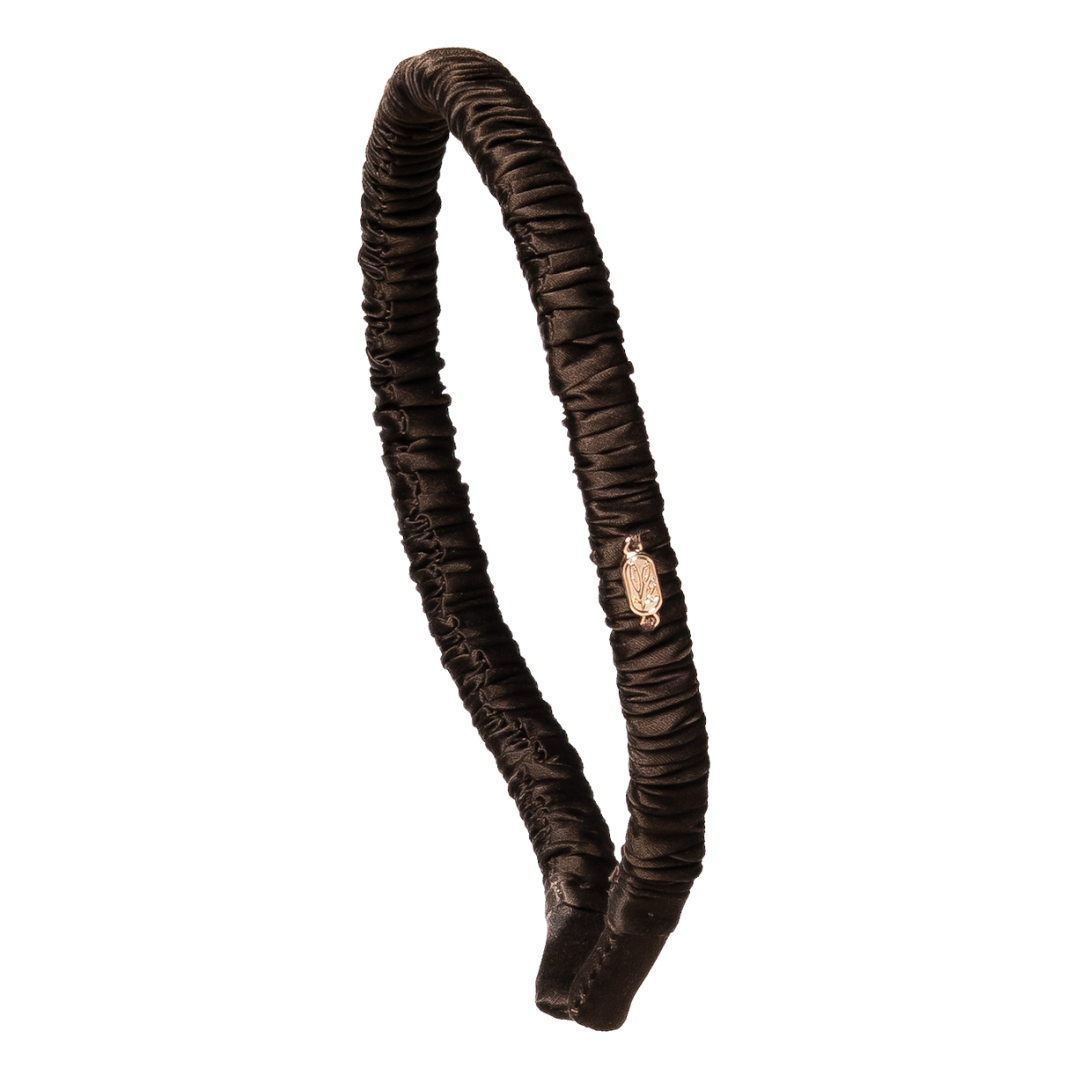 |
Curlfriend Collective Espresso Comfort Curve Silk Headband
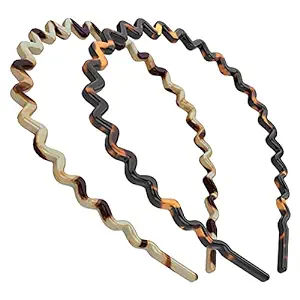 |
Wavy Headbands Plastic Skinny Thin Non-Slip Flexible Hair Bands
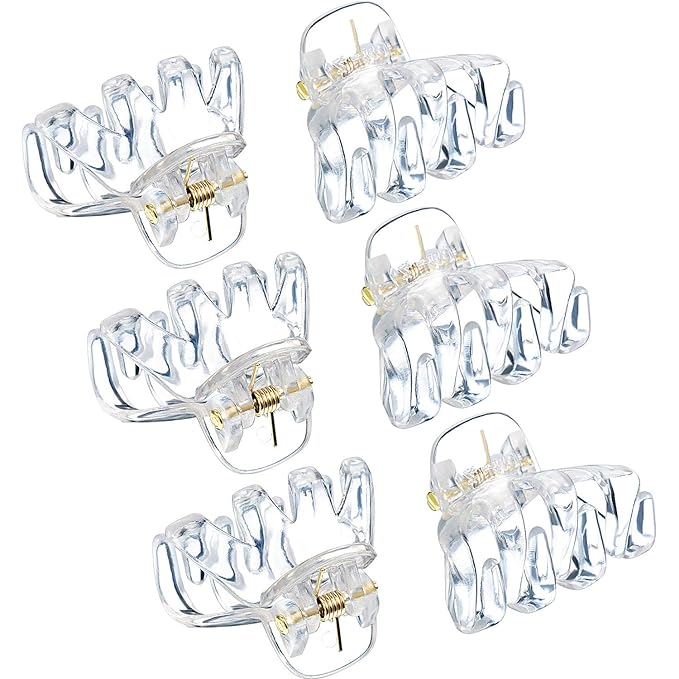 |
Mini Grip Octopus Clip Spider Jaw Hair Claw Clips 24 Pack 3 cm
Recovery is gradual — but this is what it can look like.

Recovery Takes Time — But It Works
Recovery takes time. You can absolutely see better definition, less frizz, and improved longevity even while damaged ends are still growing out.
You don’t need a brand-new routine. You need consistency, realistic expectations, and a clear plan for what to stop and what to start doing.
If you want everything summarized in one place, download the Damage Recovery Checklist and use it as a guide while your hair grows out.
1. Click the image 2. Enter your email on the form 3. Check your email |
If you’re ready to fast-track your curl recovery journey or just get your curls in order this year, no matter what stage you're in, join my upcoming Spring Group Curl Coaching Program. I work with clients to build a damage recovery plan together and guide them through this stage so they don’t have to guess.
Enrollment closes on March 15!
 |
Gena Marie
Curly hair coach helping you better understand your naturally curly hair through easy-to-follow tutorials, science-based haircare tips, and problem-solving.
A complete breakdown of every sleep protection method, who each one is best for, and how to choose If your curls look good before bed but worse in the morning, your styling routine usually isn’t the problem. Your sleep protection is. Most people either skip sleep protection entirely, or they try one method once, it doesn’t work, and they give up. But sleep protection isn’t one-size-fits-all. The method that works for someone else’s hair might actually be making yours worse. This is part of...
If you’ve been adding products to your curl routine hoping something finally clicks — this is the post to bookmark. Most curl routines don’t fail because the right product hasn’t been found yet. They fail because the foundation was never built in the first place. Before you buy anything new, check whether you actually have what matters most. This post covers the exact products and tools I start every client with — and the ones I almost always remove first. The Full Foundation Checklist Here’s...
If your curls look great right after diffusing but frizz out, collapse, or lose definition by the end of the day — you’re probably not dealing with a product problem. You’re dealing with a routine problem. Most people assume they need a different gel, or more moisture, or a better leave-in. But if the underlying routine isn’t balanced, switching products just moves the problem around. This is something I see with curl coaching clients all the time. They’re using good products, but the routine...